

What Is “Neo Izakaya,” Popular in Tokyo as an Instagrammable Spot?
Washoku Agent is a specialist agency placing Japanese chefs in 26 countries with 200+ placements and an 8-language website. Drawing on our direct experience supporting restaurants worldwide, this article explores the “Neo Izakaya” phenomenon reshaping Tokyo’s dining scene — and how its strategies can inform Japanese restaurants abroad.
Izakaya is a pub-style dining concept where anyone can casually enjoy beer or sake with small plates — traditionally within a budget of 3,000–4,000 JPY (approx. 22–30 USD). Outside Japan, many izakaya once catered primarily to local Japanese expatriate communities. In recent years, however, high-end and stylish concepts (such as ZUMA) have adapted the izakaya model for non-Japanese diners and gained widespread popularity abroad.
Meanwhile, within Japan itself, a new style called “Neo Izakaya” (also known as modern izakaya) has emerged over the past few years, capturing the attention of younger generations — particularly in Tokyo’s trendiest neighborhoods.
1. Izakaya Business Struggling Amid the COVID-19 Pandemic
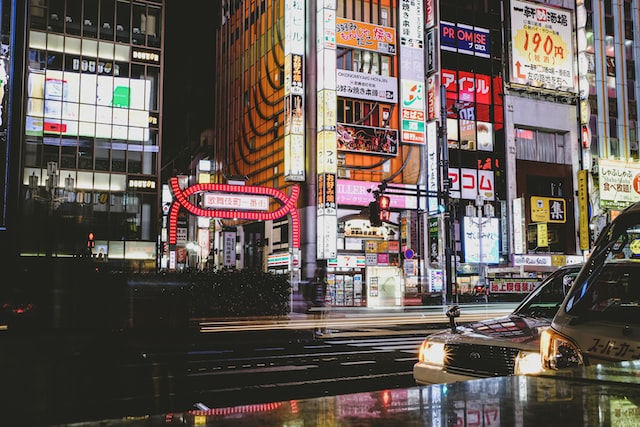
Traditionally, izakaya evolved as a social gathering place where businesspeople dropped by after work with colleagues to enjoy drinks together. However, the COVID-19 pandemic starting in 2020 made many Japanese people avoid large gatherings. Due to this shift in lifestyle, large-scale izakaya with many seats closed one after another. It is estimated that the izakaya market shrank by approximately 40% in 2022 compared to pre-pandemic levels.
- What is the traditional izakaya model?
- A pub-style restaurant offering beer, sake, and small dishes (yakitori, edamame, etc.) at accessible prices (typically 3,000–4,000 JPY per person). It traditionally served as an after-work social hub for business professionals.
The pandemic accelerated the decline of large-format izakaya, forcing the industry to explore new models that resonate with changing consumer habits.
- Q. How much did the izakaya market shrink during COVID-19?
- A. Approximately 40% by 2022, based on industry reports. Large-group dining — the traditional izakaya’s core business — saw sharp declines due to social-distancing norms.
2. Changes in Japanese Izakaya Before COVID
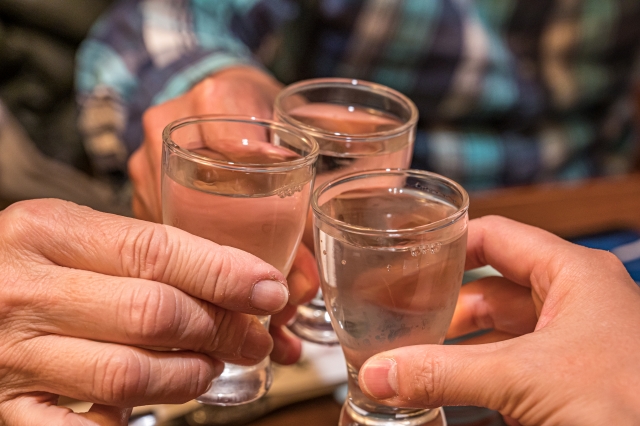
While the pandemic dealt a serious blow, the izakaya market itself had already peaked in the 1990s and had been gradually shrinking over the past two decades — partly because younger generations in Japan are drinking less. Even before COVID-19, operators were seeking new business models to survive.
- Tachinomiya (Standing Bar)
- A bar format with no seats, allowing operators to save on rent and utilities by using smaller floor space. Average spend: 1,000–3,000 JPY (approx. 7–22 USD). The term “Senbero” (getting drunk for 1,000 JPY) became a popular catchphrase. Downtown Tokyo areas like Tateishi and Akabane feature many casual tachinomiya frequented by locals.
- Table-Sharing Izakaya
- Emerging after 2010, these venues invited singles looking for romantic partners to share tables — creating a “date” atmosphere (often free for women, hourly charges for men). This format gained traction among younger customers seeking social experiences beyond traditional drinking.
Pre-pandemic innovation in izakaya focused on cost reduction and new social formats, setting the stage for the post-COVID “Neo Izakaya” model.
- Q. What is “Senbero”?
- A. A slang term meaning “getting drunk (berobero) for 1,000 JPY (sen-yen).” It symbolizes the ultra-budget standing bar culture that became popular in the 2000s.
- Q. Why did younger Japanese drink less even before COVID?
- A. Generational shifts in lifestyle preferences — including health consciousness, diversification of entertainment options, and reduced corporate after-work drinking culture — contributed to declining alcohol consumption among youth.
3. Neo Izakaya Gaining Attention After COVID
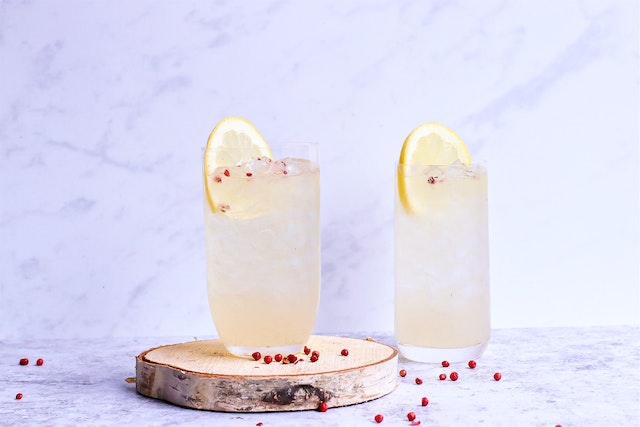
Over the past few years, a new model called Neo Izakaya has risen in metropolitan areas like Tokyo. Completely detached from conventional izakaya imagery — red paper lanterns, draft beer mugs, yakitori skewers, businesspeople in ties — these venues feature Instagrammable glassware, stylish interior design, and a welcoming atmosphere for women and younger generations.
- Neo Izakaya (Modern Izakaya)
- A new-generation izakaya format emphasizing visual aesthetics, social-media shareability, and cross-cultural menu influences. Interiors are curated for Instagram appeal; drinks are crafted to “go viral.” Representative examples include Neo Tokyo (Sangenjaya), Meiko Shibuya (Shibuya), and Pronto Kissakaba (multiple Tokyo locations).
Key Features of Neo Izakaya
- Instagram-First Design: Interior décor, plating, and glassware are designed to encourage social-media posting. When customers share their experience online, organic word-of-mouth drives new traffic.
- Original Cocktails: Signature drinks include cream soda cocktails, milk highballs, and chili tomato highballs — items with viral potential on Instagram and TikTok.
- Fusion Menu: While offering familiar izakaya staples (fried chicken, niku dofu [tofu with beef], menchi katsu [deep-fried ground meat]), menus also incorporate Italian, French, and Chinese influences.
- Higher Price Point: Average spend is 4,000–6,000 JPY (approx. 30–44 USD), slightly above traditional izakaya (3,000–4,000 JPY). The premium is justified by the experience and social-media value.
- Female & Youth Focus: Unlike the male-dominated, salaryman-centric traditional izakaya, Neo Izakaya actively targets female customers and trend-conscious youth in upscale neighborhoods like Shibuya, Ebisu, and Sangenjaya.
Neo Izakaya leverages social-media virality and aesthetic curation to redefine the izakaya experience for a new generation — a model with significant growth potential in Japan and adaptable insights for restaurants abroad.
- Q. What makes Neo Izakaya “Instagrammable”?
- A. Deliberate design choices: colorful cocktails in unique glassware, stylish interiors with neon lighting or curated décor, and plating that prioritizes visual appeal over traditional presentation norms.
- Q. How does the price compare to traditional izakaya?
- A. Traditional izakaya: 3,000–4,000 JPY per person. Neo Izakaya: 4,000–6,000 JPY. The ~30–50% premium reflects the elevated experience, ambiance, and social-media value.
- Q. Are there Neo Izakaya outside Japan?
- A. As of 2026, the format remains predominantly Tokyo-based. However, the underlying strategies — social-media marketing, fusion menus, aesthetic curation — are being adapted by Japanese restaurants in major global cities (New York, London, Sydney).
4. Marketing & Menu Strategies Restaurants Abroad Can Learn From
While Neo Izakaya as a branded concept does not yet exist outside Japan, the strategies behind it offer valuable lessons for Japanese restaurants worldwide:
| Strategy | Application Abroad |
|---|---|
| Instagram-First Design | Curate plating, glassware, and interior décor specifically for social-media shareability. User-generated content becomes free marketing. |
| Fusion Menu Innovation | Blend traditional izakaya dishes with local or Western influences (e.g., miso-butter pasta, sake-based cocktails with local spirits). |
| Inclusive Atmosphere | Move beyond the “businessmen after work” stereotype. Target female diners, couples, and young professionals seeking ambiance over volume drinking. |
| Premium Pricing with Value | Slightly higher price points (30–50% above standard izakaya) are acceptable when paired with elevated experience and social-media “currency.” |
| Signature Cocktails | Develop visually striking, original drinks (cream soda cocktails, milk highballs) that encourage photo-sharing and word-of-mouth. |
Drawing from Washoku Agent’s experience placing chefs in 26 countries, we observe that restaurants adopting similar principles — aesthetic curation, fusion innovation, social-media engagement — consistently report stronger customer retention and higher check averages. For example, clients in New York and London who introduced Instagram-optimized cocktail menus saw a 20–35% increase in first-time visits driven by social-media referrals.
The Neo Izakaya model demonstrates that the izakaya concept can evolve beyond its traditional roots — offering actionable insights for Japanese restaurants worldwide seeking to attract younger, trend-conscious diners.
- Q. Can traditional izakaya dishes coexist with fusion items?
- A. Yes. Neo Izakaya menus typically retain core items (yakitori, edamame, karaage) while adding fusion twists (e.g., truffle-infused yakitori, miso-butter corn) to appeal to diverse palates.
- Q. What social-media platforms are most effective for Neo Izakaya-style marketing?
- A. In Japan: Instagram and TikTok. Abroad: Instagram (visual focus), TikTok (younger demographics), and Google My Business (for local discovery and reviews).
5. How Washoku Agent Supports Your Izakaya-Style Hiring
Whether you’re operating a traditional izakaya, planning a Neo Izakaya concept abroad, or seeking to elevate your Japanese dining experience with skilled chefs, Washoku Agent provides end-to-end recruitment support:
- Trend-Aware Matching: We stay current with Japan’s culinary trends (including Neo Izakaya, standing bars, and fusion concepts) and match you with chefs who understand these evolving formats.
- 26-Country Network: With 200+ placements across North America, Europe, Asia-Pacific, and the Middle East, we navigate local visa requirements, salary benchmarks, and cultural fit.
- 8-Language Communication: Our multilingual team bridges language gaps between restaurant owners and Japanese chefs, ensuring clarity throughout the hiring process.
- Post-Placement Support: We assist with visa applications (LMIA in Canada, Kennismigrant in Netherlands, AEWV in New Zealand, etc.), onboarding, and ongoing HR consultation to ensure long-term chef retention.
If you’re considering opening a new-style izakaya or refreshing your existing menu to capture the Neo Izakaya aesthetic and strategy, our team can connect you with chefs who have firsthand experience in Tokyo’s cutting-edge dining scene.
Washoku Agent specializes in matching restaurants with chefs who understand both traditional Japanese hospitality and modern culinary innovation — the exact skill set needed to execute a Neo Izakaya-inspired concept abroad.
- Q. “I don’t know what my restaurant should feature to attract skilled Japanese chefs.”
- A. Our consultants work with you to define your concept, target market, and unique selling points — then identify chefs whose career goals align with your vision.
- Q. “We tried recruiting on our own before without success. How is Washoku Agent different?”
- A. We leverage 200+ placements worth of experience to pre-screen candidates for technical skill, cultural fit, and visa eligibility. Our 8-language support ensures no miscommunication during negotiations.
- Q. “Since no staff member speaks Japanese, can you handle the entire hiring process?”
- A. Yes. From job posting translation to contract negotiation to visa application support, we manage the full recruitment lifecycle in both Japanese and your local language.
Frequently Asked Questions (FAQ)
- Q1. What is the main difference between traditional izakaya and Neo Izakaya?
- A. Traditional izakaya focus on affordable, casual drinking for businesspeople (average 3,000–4,000 JPY), with décor emphasizing red lanterns and yakitori. Neo Izakaya target younger, trend-conscious diners with Instagram-optimized interiors, fusion menus, and signature cocktails, at a slightly higher price point (4,000–6,000 JPY).
- Q2. Can the Neo Izakaya model work outside Japan?
- A. While no branded “Neo Izakaya” chains exist abroad yet, the underlying strategies — social-media marketing, aesthetic curation, fusion menus — are highly adaptable. Washoku Agent clients in New York, London, and Sydney have successfully applied similar principles to drive customer engagement and higher check averages.
- Q3. What are some signature Neo Izakaya menu items?
- A. Drinks: cream soda cocktails, milk highballs, chili tomato highballs. Food: traditional items (karaage, yakitori) alongside fusion dishes influenced by Italian, French, and Chinese cuisines (e.g., truffle yakitori, miso-butter pasta).
- Q4. How does Washoku Agent help restaurants implement Neo Izakaya-style concepts?
- A. We match you with chefs who have experience in Tokyo’s modern izakaya scene, provide menu consultation based on local market trends, and support visa/hiring logistics across 26 countries. Our team stays current with Japan’s culinary innovations and translates those insights for your market.
- Q5. What is “Senbero” culture?
- A. “Senbero” (センベロ) is a slang term meaning “getting drunk for 1,000 JPY.” It refers to ultra-budget standing bars (tachinomiya) that emerged in the 2000s, offering cheap drinks and snacks in compact, no-frills settings. Downtown Tokyo areas like Tateishi and Akabane are famous for senbero culture.
- Q6. Why are younger Japanese drinking less?
- A. Generational shifts include health consciousness, diversified entertainment options (gaming, social media), and reduced corporate after-work drinking culture. This trend predates COVID-19 and has driven innovation in the izakaya industry.
- Q7. How can I make my Japanese restaurant more “Instagrammable”?
- A. Focus on visual presentation: unique glassware for drinks, colorful plating, curated lighting and décor. Develop signature menu items with high shareability (e.g., visually striking cocktails, photogenic desserts). Encourage user-generated content by creating a dedicated photo spot or branded hashtag.
Ready to Elevate Your Japanese Restaurant Concept?
Whether you’re launching a Neo Izakaya-inspired venue or seeking skilled chefs for your existing restaurant, Washoku Agent connects you with Japan’s finest culinary talent. With 200+ placements across 26 countries, we navigate every step — from candidate screening to visa support.
- 10 Years Since Jiro Dreams of Sushi. How has the Sushi Industry Changed in the Last Decade?
- Can Every Japanese Chef Make Japanese Curry!?

Related posts

23,000 Japanese Restaurants in the United States?? Latest Information on the Japanese Food Industry in the U.S.

Japanese Restaurant Market in Italy: Market Trends, Opportunities, and Challenges

Japanese Restaurants in Germany: Market Trends and Insights
