

Hiring and Managing Japanese Chefs in the Netherlands
Hiring and Managing Japanese Chefs in the Netherlands (Part 3)

Average Salaries for Japanese Chefs
One of the first questions an employer will have is: how much do I need to pay a good Japanese chef? Salaries can vary widely depending on the chef’s role, experience, and the type of establishment (fine dining vs casual). Below is an overview of typical salary levels for chefs in Japanese cuisine in the Netherlands, to help set expectations:
Average Chef Salaries in the Netherlands (Annual Gross):
| Chef Position | Typical Salary Range (gross per year) |
| Sushi Chef (casual restaurant) | €30,000 – €38,000 (≈ €2,500 – €3,200 per month) |
| Head Chef (mid-range restaurant) | ~€46,000 per year (≈ €22/hour) |
| Head Chef (Amsterdam high-end) | ~€54,000 per year (big-city average) |
| Michelin-Starred Executive Chef | €65,000 – €130,000+ (varies widely with experience) |
Sources: job listings and salary surveys. Sushi chef range based on advertised roles; head chef averages from SalaryExpert/ERI data; Michelin range from global estimates in USD converted to euros.
From the above: A junior sushi chef or line cook in a casual setting might earn around €2,000–€2,800 gross per month (some job ads list roughly €80–€90 per day for part-time sushi chefs, which extrapolates to that range). A more experienced sushi chef or hot kitchen chef in a mid-level restaurant can earn in the €2,800–€3,300 per month range (about €16–€19 per hour). For example, one European job listing for a “Wok/Sushi chef” in the Netherlands offered €2,800–€3,200 monthly.
A head chef (chef-kok) who manages the kitchen typically commands a higher salary. Nationwide, the average for a head chef is in the mid-40k’s per year, which is roughly €3,500–€4,000 per month. In Amsterdam or big cities it’s higher – SalaryExpert cites ~€54k/year in Amsterdam. So a head chef at a reputable Japanese restaurant might be making around €4,500 monthly. This is in line with Glassdoor data which suggested around €2,700 base plus tips/bonus to total €2,950 for typical chefs (though that seems low for head chefs, possibly that includes lower positions).
For a fine dining Japanese chef, especially if you’re recruiting from abroad or someone with a Michelin-star background, salaries go into the upper range. While there isn’t a large sample in the Netherlands (since only a couple Japanese restaurants gold stars), we can infer from global data: Michelin-starred chefs often earn anywhere from $70k up to $150k, which is roughly €65k to €140k. In a Dutch context, a top-tier Japanese chef might be around the lower end of that unless they have multiple stars. If you’re hiring, say, a Japanese sushi master with 20 years experience and accolades, you might well be negotiating in the €70k+ annual package range (plus perhaps housing or other benefits to relocate them).
It’s also important to budget for additional labor costs: in the Netherlands, employers pay social security contributions, and by law employees get an 8% holiday pay bonus annually (usually paid in May). So if a chef’s monthly salary is €3,000, on paper that’s €36k/year but you’ll actually pay about €38.9k after adding holiday pay, plus maybe ~€6k in employer social premiums, making the total cost closer to €45k. Keep these in mind when budgeting.
Different roles have different going rates: A kitchen assistant or commis chef (beginners) may only earn around €1,800–€2,100 per month. A sous chef (second in command) perhaps €2,500–€3,000 depending on experience (national average for sous chef is ~€30.5k). And then the head chef/executive chef as discussed above goes higher.
One should also consider the split of base salary vs. any tips or service charge distribution. In many restaurants, kitchen staff in NL historically didn’t get much in tips (most tips go to wait staff unless pooled). Some modern businesses choose to pool and share tips or add a service charge to distribute to the whole team – doing so can make the chef roles more attractive, effectively boosting their income.
Given these figures, to attract a qualified Japanese chef, especially someone who is actually from Japan or trained in Japan, you likely need to be on the higher side of these ranges. Anecdotally, there are only a small number of “real” sushi masters in the Netherlands, and they are highly sought after. One discussion noted perhaps only ~10 chefs in NL had the authentic high-level sushi chef skill and could command salaries to work abroad that reflect that. So if you find one, expect to pay a premium.
In summary, be prepared to offer a competitive salary: mid-level cooks in the kitchen might be €2k–€3k/month, and your top chef perhaps €3.5k–€5k/month or more if they are exceptional. Paying fairly is not just an ethical move but also practical – it helps retain talent in an industry where chefs can easily move to another restaurant for a better offer. The cost of losing a skilled sushi chef (and having to hire and possibly train a new one) is high, so budgeting for slightly higher pay to keep them happy can pay off in consistency and quality of your kitchen.
Visa and Employment Rules for Hiring Japanese Nationals

If you plan to hire a chef (or any staff) who is a Japanese national (or generally from outside the EU), there are specific visa and work authorization rules to navigate. The Netherlands, like all EU countries, has regulations to protect the local labor market, so hiring from Japan requires some paperwork and compliance. Here’s what you need to know:
- Work Permit Requirement: A Japanese citizen will need a valid work permit to be employed as a chef in the Netherlands (assuming they are not already a resident or do not have an EU passport). Typically, this is handled via a combined residence and work permit called GVVA (Gecombineerde Vergunning voor Verblijf en Arbeid) or a separate tewerkstellingsvergunning (TWV) if they already have residency. The employer usually sponsors this process.
- Labor Market Test: The critical hurdle is that employers must usually prove that no suitable candidate was found within the Netherlands/EU before a permit is granted to a non-EU worker. This is known as the labor market test. It means you’ll need to have advertised the position in the EU for a reasonable period and show lack of success in hiring. Until recently, there was a special exemption for Asian cuisine chefs – the Regeling Aziatische horeca – which allowed Asian restaurants to hire chefs from countries like Japan, China, etc., with fewer restrictions (no individual test). However, that special arrangement was terminated as of 1 January 2022. Now, as of 2022, hiring a Japanese chef is subject to the same process as hiring any non-EU workerl.
What this means practically: you must post the job opening and try to recruit locally for at least 3 months (and list it with the Employee Insurance Agency, UWV, including on their job portal, as well as an EU-wide platform). Only after that period can you apply for a work permit for a specific Japanese candidate, including evidence of your recruitment efforts (like copies of job ads, interview notes showing EU candidates were unsuitable, etc.). The UWV will assess if you truly couldn’t find someone within the EU. This process can be bureaucratic and time-consuming – possibly adding a couple of months before your chef can start. - Combined Permit (GVVA): For hires longer than 3 months, you’ll usually apply for a GVVA which includes residence authorization. The IND (immigration service) and UWV (labor office) coordinate on this. The IND has application forms for hiring a foreign employee in the hospitality sector. If approved, the Japanese chef will get a residence card allowing work specifically for your restaurant. The initial permit can be up to 2 years (often granted for 1 year, renewable).
- Exceptions: If the Japanese national already has the right to reside (for example, if they are a spouse of an EU citizen, or on another visa like a working holiday or student visa), the situation may differ. But generally, for a straightforward hire from abroad, the above process applies. Note: Japan has a working holiday agreement with the Netherlands, but those visas are meant for cultural exchange and have limitations (the person must be 18-30 and can work incidentally to fund travel, usually not suitable for a full-time professional chef job).
- Costs and Timeframe: Applying for the permit incurs fees (on the order of a few hundred euros to the IND). It can take a few months to get approval – typically 2-3 months if all documents are in order. During that time, the candidate must wait (if they are in NL on a short-term visa they might have to leave and come back with the MVV entry visa if required). Planning ahead is crucial to not delay your restaurant opening.
- Social Hygiene & Language: If your Japanese chef will also be a manager on the alcohol license, note they might need to pass the Social Hygiene exam (which is in Dutch). This could be a challenge if they don’t speak Dutch – you might instead assign that role to someone else. Legally, there’s no requirement for a chef to speak Dutch or English, but practically it’s important for kitchen communication and integration. Providing some Dutch language training or having bilingual staff to bridge communication is wise. Many Japanese expat chefs speak at least some English, which can suffice in an English-speaking kitchen environment, but Dutch helps in interacting with local staff and understanding regulations.
- After Hire – Compliance: Once you have a Japanese national working, you as an employer have obligations: you must keep records proving they are authorized (copy of their residence permit), and if they leave your employment, you or they must inform IND. If they change jobs, a new permit process is needed (their permit is typically tied to your specific company for a specific role). Also, they must be paid according to the contract; the Netherlands doesn’t have a special work visa minimum salary for chefs (unlike the highly skilled migrant scheme which has salary thresholds, but that scheme usually doesn’t apply to chefs because it’s meant for jobs requiring university degrees). Still, offering a fair wage is not only ethical but also keeps you clear of any labor exploitation suspicions.
- Remaining from the Old Scheme: It’s worth noting that some Asian restaurants rushed to bring in chefs before the old relaxed scheme ended. Those chefs can continue under the old permit until it expires. After that, extensions will fall under the new rules, meaning the labor test will apply for renewals too.
In short, hiring a Japanese chef from abroad is doable but involves extra steps and time. Many restaurants do go through this because the value of a skilled Japanese chef is high. It’s advisable to consult an immigration specialist or the IND business desk for the latest requirements when you embark on this. If the process seems daunting, another approach is to hire EU-based chefs with Japanese expertise (for example, a chef from an EU country who trained in Japan or worked in a Japanese kitchen). There is a small community of European chefs who specialize in sushi or ramen that you could tap without visa issues. But for that truly authentic touch, you might want a native Japanese chef, and thus, tackling the permit process is often worthwhile.
As an employer, ensure you follow the law here: employing someone without a valid work permit can lead to heavy fines (thousands of euros) and jeopardize your business. So it’s important to wait for all approvals before having the chef start working officially. Planning ahead (start recruitment early) will make the timeline manageable, so by the time you need the chef on site, their paperwork is sorted.
What to Look for When Hiring a Japanese Chef
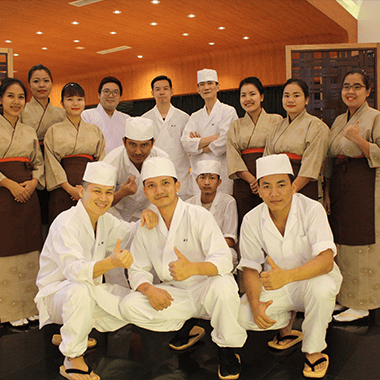
Hiring the right chef is arguably the most crucial decision for a Japanese restaurant. The chef will shape your menu, maintain quality, and often influence your restaurant’s reputation (especially if they’re a notable name). When seeking a Japanese chef, whether locally or from abroad, consider several key qualities and skills:
- Culinary Skills & Specialization: Japanese cuisine is broad, so clarify what skills you need. If you’re a sushi restaurant, you want a chef highly skilled in sushi techniques – this means excellent knife skills, knowledge of fish butchery, rice preparation, and sushi presentation. A good sushi chef must have itamae level knife proficiency, handling the special Japanese knives for filleting fish and slicing sashimi with precision. If your concept includes hot dishes or ramen, you might need someone versed in ramen broth making and noodle cooking, or in yakitori grilling, etc. It’s important to realize that not every Japanese chef can cook everything. In Japan, chefs often specialize (a sushi chef might not know how to make ramen, a tempura master might not do sushi). So ideally, match the chef’s background to your concept. For a broad izakaya menu, you’d want a versatile cook who has worked in izakaya or hotel settings doing multiple types of dishes.
- Experience and Training: Consider where and how the chef was trained. Did they apprentice in Japan? How many years of experience do they have and in what kind of establishments? A chef who has worked under high-end conditions in Tokyo or Kyoto will bring a certain pedigree and authenticity. On the other hand, a chef who has experience in European-Japanese fusion may better understand local tastes. If authenticity is your selling point, lean towards a chef with solid Japan experience. Also consider if they have experience opening a new restaurant (that can be valuable, since opening is a unique challenge). If the chef is more junior, you might pair them with a senior consultant at first to develop menus.
- Creativity and Adaptability: Depending on your concept, creativity could be important. Many sushi chefs are trained traditionally and may stick to classic recipes – which can ensure authenticity but might limit innovation. Decide if you want a chef who will innovate (create new fusion rolls, experiment with Dutch seasonal ingredients in a Japanese way) or one who will stick to orthodox methods. Culinary creativity is especially key if you plan on evolving the menu or doing seasonal specials. Also, a chef coming from Japan should be adaptable to Dutch ingredients – for example, certain fish common in Japan might not be available fresh here, so can they work with local North Sea fish to create a similar experience? Flexibility in sourcing and substituting without sacrificing quality is a valuable skill.
- Attention to Hygiene and Safety: Japanese cuisine, with its raw components, demands impeccable hygiene. A good chef should have excellent knowledge of food safety – proper handling of raw fish (maintaining correct temperatures, avoiding cross-contamination), knowing how to inspect fish for quality, etc. In interviews, you might probe their knowledge on these fronts. Indeed, being meticulous about hygiene is an essential trait. In the Netherlands, they’ll need to follow HACCP rules – some familiarity with international hygiene standards is a plus (if they have worked abroad or in a setting that emphasizes it).
- Leadership and Team Skills: If the chef will also act as a kitchen leader (head chef), they need management and teamwork abilities. Running a kitchen requires coordinating with sous chefs, line cooks, etc., training junior staff, and maintaining consistency. How do they handle pressure during a busy service? What’s their style – are they the calm, coaching type or the fiery disciplinarian? Ensuring their management style fits with the culture you want is important for team morale. Additionally, if they are Japanese and most of your other kitchen staff are Dutch or of other nationalities, there could be language or cultural barriers – a head chef who can bridge that (perhaps speaks some English, or is patient in teaching) is critical. Communication is key in a kitchen; you want someone who can lead and influence others positively (some job descriptions mention this for Japanese chef roles in hotels, for instance).
- Passion and Authenticity: A genuine passion for Japanese cuisine and culture often translates into better food and guest experience. Chefs who take pride in omotenashi (hospitality) will care about things like plating aesthetics, the progression of a meal, and even interacting with customers if it’s a sushi counter. If you run an open kitchen or sushi bar, having a chef with some customer service skill is great – someone who can converse with guests, explain dishes, and represent the restaurant. In traditional sushi bars, the chef is an entertainer and host as well. While this is less common in NL outside omakase spots, it’s worth considering. Customer service mindset is a surprisingly important skill for a sushi chef in direct contact with diners.
- Cultural Fit and Work Ethic: Restaurant work is hard. You want someone reliable, with a good work ethic. Japanese work culture famously emphasizes discipline and long hours, so a Japanese-trained chef likely has a strong work ethic – but also may expect their team to have the same
- Work Permit & Visa: If you plan to hire a Japanese national, be prepared to navigate the permit process (see the Visa and Employment Rules section above). Factor this into your timeline and costs. Sometimes it’s easier to hire someone who is already in Europe or has the right to work, but if you find the perfect chef in Japan, the effort can be worth it for the authenticity and skill they bring.
- Reference Checks: Especially if hiring from abroad, do reference checks. Ask for contacts of previous employers or colleagues. A quick call to a former head chef or restaurant owner in Tokyo or elsewhere can give insight into the candidate’s reliability and skill. If language is a barrier, you might engage someone bilingual to help with this.
- Trial Stage: Many restaurants do a cooking trial before fully hiring a chef. You can request the candidate to prepare a few dishes or a test dinner for you (and maybe some friends or advisors) to assess their skill, taste, and presentation. This can also be part of a stage (short-term trial work) if the candidate is in the country. It’s a chance to see them in action and ensure their cooking matches your vision.
In summary, look for a balance of technical skill, authentic training, creativity, leadership, and passion. A Japanese chef should not only be able to cook well, but also uphold the standards of Japanese cuisine that diners expect – attention to detail, beautiful presentation, and consistency. Given the importance of the role, take your time to find the right person. The chef effectively becomes the heart of your restaurant; when you find someone who aligns with your concept and values, it will reflect in every dish served and will significantly enhance your restaurant’s chance of success.
Best Practices for Recruiting Japanese Chefs
Finding a great Japanese chef can be challenging. The talent pool is limited, and competition for experienced chefs is high. Employing smart recruitment strategies and best practices will improve your chances of attracting and securing the right person. Here are some best practices:
- Leverage Networks and Communities: Traditional job ads may not be enough. Tap into the Japanese culinary community. This could mean contacting Japanese restaurants in Europe (some chefs might be looking for new opportunities), connecting with Japanese cultural centers or associations in the Netherlands, or even using personal networks. If you have a Japanese expat community nearby, sometimes word-of-mouth within that community can yield candidates (e.g., a chef’s friend or relative looking to move). Online communities like the Washoku network or chef groups might have leads. Consider reaching out on LinkedIn or Facebook groups dedicated to chefs or Japanese expatriates.
- Specialist Recruitment Agencies: There are agencies that specialize in placing Japanese chefs worldwide. For instance, websites like “Washoku Agent】 focus on matching Japanese culinary professionals with overseas jobs. They can help source candidates from Japan who are open to international work. While agencies charge fees, they can vet candidates and present you with several options, saving time.
- Culinary Schools and Training Programs: Though less common for Japanese cuisine, some culinary institutes (in Europe or Japan) might have programs for Japanese cooking. For example, Tokyo Sushi Academy has had international programs. Reaching out to such schools to hire top graduates could be fruitful, especially for junior positions under a head chef. In the Netherlands, there might not be specialized Japanese cuisine schools, but general culinary schools often have students interested in Asian cuisine – offering internships or apprentice positions could grow your own talent.
- Offer Competitive and Attractive Terms: To lure a top chef, you may need to go beyond salary. Provide a compelling package: this might include assistance with relocation (flight tickets, help finding housing), paying for their visa process, perhaps an initial housing allowance or corporate apartment for a few months. Also consider intangible benefits: if the chef has creative freedom to design the menu, emphasize that. If you plan to send them for training or trips back to Japan yearly, mention it. Some chefs are motivated by opportunities for innovation or personal growth as much as money.
- Showcase Your Vision: When recruiting, sell your restaurant’s concept and vision. High-caliber chefs want to work where they can be proud of the food. Share a polished concept presentation or business plan section that outlines what you’re aiming to achieve (e.g., “the first authentic Kyoto-style kaiseki in the Netherlands” or “a ramen shop that sets the standard for sustainability”). If they see you’re serious and passionate, they’ll be more interested. Essentially, you are marketing to the chef as much as they are to you.
- Cultural Sensitivity and Support: Particularly if hiring directly from Japan, be mindful of the big cultural and life change they’ll undergo. Assisting with practical matters like visa paperwork, finding a Japanese grocer for familiar ingredients, integration into Dutch life (maybe connect them with the local Japanese community or provide language lessons) will make your offer more appealing and help them settle, which in turn helps them perform better. A happy chef is a productive chef.
- Timeline Management: Start early. If you want a chef by opening, begin the search at least 6 months out if possible (especially if a visa is needed). It might take 1-2 months to find candidates, another to finalize and sign, then 2-3 months for visa processing. You don’t want to rush hiring last-minute and compromise on quality. If you’re in a pinch and opening is nearing, consider hiring a consultant chef or interim chef (maybe a retired Japanese chef who can come on a short-term basis) to bridge the gap while you continue the search. Some restaurants do soft-opening with a temporary team and then bring the star chef when ready.
- Non-traditional Channels: Consider posting on international job boards like Chef’s Jobs, or hospitality-specific sites. Even Reddit has a /r/chefjobs or similar communities where jobs are sometimes posted. If you’re open to non-Japanese who are skilled in Japanese cuisine, those channels might attract, say, a European or American who trained in Japan and wants to move to NL.
- Maintain Professionalism and Clarity: When you identify a candidate, communicate clearly about the role, expectations, contract terms, and Dutch work culture. For example, clarify working hours (so they know if they get typical Dutch 2 days off a week vs what they might be used to in Japan), vacation days (Netherlands typically 20+ paid leave days a year which is more generous than Japan). Laying all this out prevents future misunderstandings and shows that you run a serious, transparent business – which quality chefs will respect.
- Trial and Onboarding: If feasible, invite the candidate for a stage (trial period) for a couple of weeks on a visitor visa to see the kitchen, meet potential team members, and cook together. This not only tests their skills but also shows them your commitment. Upon hiring, have a robust onboarding plan: introduce them to suppliers, help them navigate the Dutch kitchen environment (like how to order from Dutch suppliers, since it might differ from Japan).
By following these practices, you increase the likelihood of finding a chef who is both talented and a good fit. Remember that recruiting a Japanese chef is not just about posting an ad and waiting; it often requires head-hunting and a personalized approach. The effort spent on recruiting well will pay off immensely in the long run through the quality and consistency of your restaurant’s offerings.
Common Hiring Challenges and Solutions
Even with best practices, you may encounter challenges in hiring and managing Japanese chefs. Here are some common ones and how to address them:
- Language Barrier: If your chef isn’t fluent in Dutch (likely) or even English, communication with your team and suppliers can be tricky. Solution: Designate a bilingual staff member as a liaison or hire a junior manager who speaks Japanese. Encourage the chef to take Dutch or English classes (and consider subsidizing this as part of the job perks). Many kitchens use a lot of hands-on demonstration which transcends language, but for administrative tasks (reading hygiene guidelines, etc.), translation might be needed. Over time, immersive exposure will improve language skills. Patience and a sense of humor on both sides help – some teams even start learning basic Japanese to meet in the middle.
- Cultural Work Differences: Japanese work culture can be hierarchical and intense, whereas Dutch work culture is known for directness, work-life balance, and egalitarianism. A Japanese chef might expect unquestioned obedience, and Dutch staff might find that off-putting or might expect to voice opinions. Conversely, a Japanese chef might not be used to giving praise (since in Japan, the approach can be more critical). Solution: Brief both the chef and the staff about these differences. Act as a cultural bridge. Encourage the chef to adapt by explaining Dutch norms (like Dutch employees value direct communication and also personal time). And train your staff to show respect and learn from the chef’s expertise, understanding that the chef’s perhaps stricter style isn’t personal but a cultural nuance. Over time, a hybrid kitchen culture will form. Some restaurants even bring in a coach or mediator initially to help the team gel.
- Retention and Turnover: Suppose you successfully hire a great Japanese chef. The challenge then is keeping them. The restaurant industry is notorious for high turnover. A talented chef might get poached by a competitor or might move after a contract ends. Solution: Build a good relationship and a positive work environment. Fair compensation is fundamental, but also consider what motivates them – maybe they want creative outlets, or they want stability for their family. Engage them in the business (some owners even give key staff a small profit share or bonus tied to performance). Recognize their hard work publicly, involve them in decisions (so they feel a sense of ownership), and ensure their needs (like occasional trips home to Japan if they are expats) are respected. Another tactic: if you have the means, sponsor an apprentice under them. Often, master chefs enjoy teaching; if you allow them to mentor a junior, it gives them legacy and also provides backup if they eventually leave.
- Consistency and Quality Control: If you have multiple chefs or a team, ensuring consistency in food quality is a challenge. Perhaps the head chef can’t be at every outlet or every shift. Solution: Have the head chef create standardized recipes and train others rigorously. Implement a quality checklist that even when the head chef is off, the team follows the set standards (for sushi, that might mean checking rice texture, fish freshness, etc., against defined criteria). Regular tasting evaluations help – maybe weekly the team tastes dishes together to calibrate standards. Encourage a culture where everyone takes ownership of quality, not just the head chef.
- Adaptation of Menu: Your chef might want to serve very traditional items that could be a hard sell (like squid with fermented innards, or extremely pricey ingredients). Or vice versa, you might want to include a creative fusion roll that the chef finds unauthentic. Solution: Collaboration and compromise. Use soft openings or specials to test such items without fully committing. Customer feedback should guide the final decision – perhaps that very authentic dish becomes a special for those in the know, while the main menu sticks to more accessible items. Educate the chef on the local palate and encourage a bit of flexibility. Conversely, trust their expertise on what’s important for authenticity. Finding a balance is an ongoing process; a seasonal special menu is a good outlet for the chef’s creativity without shocking the regular menu.
- Legal/Logistical Surprises: Maybe the visa process takes longer than expected, delaying the chef’s arrival. Or perhaps the chef’s diploma isn’t recognized here for something (like if you wanted them to train apprentices formally). Solution: Always have a Plan B. If the chef is delayed, have a backup interim chef or scale down menu until they arrive. Keep an open dialogue with immigration authorities to avoid surprises and ensure paperwork is correct (it can be something like needing an apostille birth certificate from Japan, which can take time). In short, proactive planning can mitigate many logistic hiccups.
- Integration with Locals: A Japanese chef might feel isolated in the Netherlands outside work. If they’re unhappy personally, it can affect their job. Solution: Foster inclusion. Invite them out to team outings, celebrate Japanese holidays in the restaurant (a New Year kadomatsu decoration or something to make them feel at home), connect them with local Japanese expat events (there are Japan festivals, etc.). If they have family, help them find Japanese schools or communities. The more they feel at home, the more likely they’ll stay and thrive.
- Discipline vs. Labor Laws: In Japan, doing overtime unpaid or working six days a week might be normal in kitchens. In NL, there are strict labor laws about maximum work hours and overtime pay. Your chef might push themselves or staff too hard out of habit. Solution: Clearly explain Dutch labor regulations (max 60 hours/week with overtime, mandatory breaks, etc.). Ensure scheduling follows the law and intervene if you see them overworking. It might feel foreign to them to take all their vacation days, but encourage them to do so to recharge (and legally they must take them or be paid out). This will prevent burnout and also keep you compliant.
For each challenge, communication is key. Regular meetings between you (the owner/manager) and the chef help surface issues early. Perhaps have a quick check-in every week to see what they need or what problems they foresee. Encourage a culture where problems are discussed, not hidden.
Additionally, consider joining professional associations like KHN (Koninklijke Horeca Nederland), as they offer resources and advice on HR issues and may have specific advice for ethnic restaurants on finding staff. They also keep members informed on changes like the Asian chef permit rules, which is how we know that scheme ende】.
In conclusion, expect some hurdles in the process of hiring and managing Japanese chefs, but none are insurmountable. With cultural sensitivity, good communication, and robust support systems, each challenge can be addressed. Many Dutch Japanese restaurants have navigated these issues successfully – learning from their experiences (and maybe even reaching out to friendly owners for tips) can provide valuable insight. Being proactive and understanding both the chef’s perspective and the local staff’s perspective will allow you to create a harmonious kitchen where everyone can focus on what they do best: creating delicious food.
Final Tips for Owners and Operators
Running a Japanese restaurant in the Netherlands is a rewarding venture when done right. To wrap up this comprehensive guide, here are some final tips and takeaways for owners and investors to maximize their chances of success:
- Embrace Continuous Learning: The food industry evolves, and consumer preferences can shift. Stay updated on trends (e.g., if poke bowls are peaking and maybe ramen is the next big wave). Listen to customer feedback and be willing to adjust. Perhaps attend food expos or trade shows in Europe to spot innovations. Given Japanese cuisine’s depth, you and your chef can also keep learning – maybe bring a sushi master for a guest workshop, or take a trip to Japan every couple of years for inspiration and to strengthen supplier relationships.
- Focus on Quality and Authenticity: In a market flooded with options, quality will set you apart. This means not only top-notch food but also quality in service, cleanliness, and overall experience. Authentic touches, like proper Japanese plating, traditional greetings by staff, or offering a hot towel at the start of a meal, can elevate the experience and show authenticity, which customers appreciate. For ingredients, consider importing key items from Japan for authenticity (like real wasabi, if affordable, rather than just horseradish paste) and proudly highlight that on your menu for differentiation.
- Manage Costs Diligently: While we’ve celebrated the creative and cultural side, keep a tight eye on the business side. Food costs in Japanese restaurants can creep up (expensive fish, wastage, etc.). Implement portion control and monitor inventory – sushi especially needs good stock management to ensure freshness and minimal waste. Use seasonal local produce when you can – integrating some local ingredients can reduce import costs (for example, use Dutch mackerel when it’s fresh instead of importing a similar fish). Negotiate with suppliers or consider joining a purchasing co-op for better prices on bulk items. And of course, track labor costs; use smart scheduling to avoid excessive downtime or overtime.
- Deliver Great Hospitality: Japanese restaurants can differentiate by delivering omotenashi – the spirit of selfless hospitality. Train your service staff to be attentive, polite, and knowledgeable. Little things like remembering a regular’s favorite sushi or giving a small palate cleanser “service” dish can create loyal customers. Dutch customers have grown to expect friendly, efficient service, and when combined with Japanese hospitality’s grace, it’s a winning formula. Encourage a feedback culture – after opening, personally talk to diners or use comment cards to gather feedback and act on it.
- Marketing and Community Engagement: Don’t rely solely on “build it and they will come.” Especially in the beginning, invest in marketing. This can include social media marketing (Instagram is great for food porn – beautiful sashimi shots can attract droves), partnerships with foodie influencers or local bloggers (invite them for a tasting). Participate in local food festivals or Japan-related cultural events to raise your profile. Consider offering promotions, like an opening discount or a special menu during Cherry Blossom season to attract attention. Building community ties, for instance offering to host a workshop on sushi rolling at a local event or doing a Japanese New Year’s celebration, can endear you to locals and get you press coverage.
- Understand Your Customer Base: The Dutch market includes a mix of locals, expats, and tourists (depending on location). Tailor aspects of your business to them. For example, locals might come on regular occasions if you have a good lunch special or early evening bento deal. Expats (like Japanese families) might seek comfort food from home – maybe have off-menu items they can ask for, or Japanese language on your menu to make them feel welcome. Tourists might appreciate set menus that let them sample a bit of everything Japanese. If you’re in a city like Amsterdam, an English menu is a must; possibly even have a Japanese-translated menu if you expect many Japanese guests (the tourism flow from Japan might pick up again).
- Legal Compliance: Keep all your paperwork and permits updated. Mark your calendar for renewals (e.g., your alcohol license might need renewal every so often, your chef’s work permit likely needs renewal after a year or two – don’t miss that!). Also, keep up with any new regulations (like allergen labeling rules or waste disposal rules). Being a member of KHN can help as they send updates. Compliance avoids fines and business disruptions.
- Cultivate Good Supplier Relationships: Your ingredients define your product. Build relationships with suppliers – whether it’s a fishmonger at the auction in Scheveningen or a Japanese importer in Düsseldorf. Good relationships might get you your first pick of high-quality fish or a heads-up on price changes so you can adapt your menu. Also, diversify where sensible – have backup suppliers for critical items. For unique Japanese products, ensure you order with enough lead time, and consider pooling orders with other Japanese restaurants to reduce costs (non-competitive items like common seasonings could potentially be bulk-ordered).
- Plan for Seasonality and Slow Periods: The restaurant trade can be seasonal (summer might boom in tourist areas but slump if locals vacation; December might be busy with holidays). Plan ahead for promotions during slow times (perhaps tie in with Japanese festivals – a “Golden Week” promo in April/May, etc.). Manage staffing accordingly, maybe with flexible or part-time staff who can scale down in quiet periods. This will keep your finances healthier year-round.
- Mindset of Resilience and Adaptability: Last but not least, approach this venture with resilience. There will be tough days – maybe a shipment of fish is delayed and you have to improvise, or your key chef falls ill one night and you must jump in. Approach problems calmly and as opportunities to learn. Adaptability has been a recurring theme: whether adapting recipes for local taste, adapting management style for cultural differences, or adapting to market conditions like a pandemic forcing takeaway-only service. Those who survive and thrive are the ones who adapt quickly. It sounds cliché, but flexibility is key in the hospitality business.
Conclusion: Starting and running a Japanese restaurant in the Netherlands is a journey that blends business acumen with cultural appreciation. By understanding market trends, minding the practical steps (costing, permits, staffing), and delivering a top-notch product and experience, you set the stage for success. Always remember why people love Japanese cuisine – its freshness, artistry, and heart. If you keep that at the core of your restaurant, and manage the operational aspects smartly as outlined, you have every chance to create not just a successful business but a beloved establishment that could become a fixture on the Dutch dining scene.
Embarking on this project, armed with the insights from market trends to hiring and management, you can confidently move forward. The market is ripe with opportunity, as Dutch consumers continue to embrace Japanese cuisine. With passion, preparation, and perseverance, your Japanese restaurant in the Netherlands can flourish, delighting guests and yielding rewarding returns for years to come.
Why Choose Washoku Agent for Your Japanese Chef Recruitment Needs

Navigating the recruitment landscape for skilled Japanese chefs can be complex. This is where Washoku Agent comes into play. As a specialized Japanese chef recruitment agency, we offer comprehensive services tailored to your establishment’s unique needs.
Our Services Include:
- 🔍 Extensive Chef Database: Access to a vast network of Japanese chefs specializing in sushi, teppanyaki, kaiseki, wagashi, and more
- 🎌 Quality Assurance: Our culinary advisor Naoya Kawasaki, a Japanese Cuisine Goodwill Ambassador, ensures that only top-tier chefs are introduced
- 💼 Transparent Pricing: No hidden fees — just a clear, flat-rate fee upon successful hiring
- 👥 Cultural and Personality Fit: We evaluate not only skills, but also the personality and cultural compatibility of each chef
- 📑 End-to-End Support: From visa coordination to salary package negotiation, we help ensure a seamless hiring experience
With a strong global track record and placements in over 16 countries, Washoku Agent is trusted by both restaurant owners and chefs to create sustainable, successful matches.
🌐 Learn more at: https://washoku-agent.com/en/
By partnering with Washoku Agent, you’re not only hiring a chef — you’re investing in the soul of your restaurant. Let us help you bring authentic Japanese culinary excellence to the UAE.
What If I Have a Problem in Hiring?
“I do not know what my restaurant should feature to attract Japanese chefs.”
“I have an idea of the chefs I am looking for, but I do not know how to find them.”
“We tried to recruit on our own before without success, so we want to find a truly skilled chef this time.”
“Since no staff member speak Japanese, we want to entrust the whole task of hiring Japanese chefs to someone else.”
If you have a problem in recruiting Japanese chefs, feel free to contact us Washoku Agent!
- Opening a Japanese Restaurant in the Netherlands
- Market Trends and Insights – Japanese Restaurants in China