How Do I Hire Japanese Sushi Chefs from Japan?
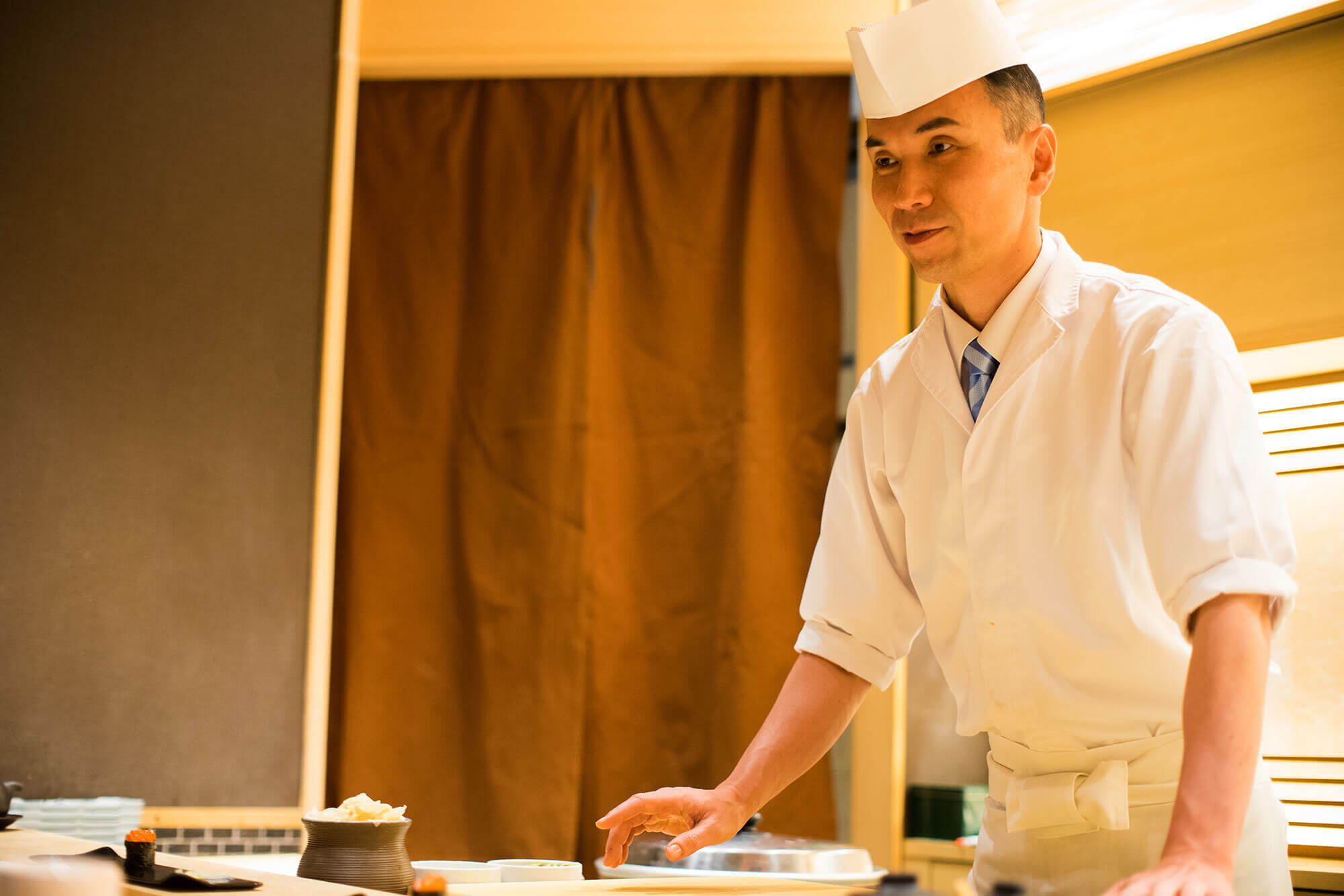
Japanese sushi chefs from Japan

Washoku Agent is a specialist agency placing Japanese chefs in 26 countries with over 200 successful placements and an 8-language website. Since the 1980s Japanese food boom in North America and beyond, recruiting authentic Japanese sushi chefs has remained one of the most challenging tasks for restaurant owners worldwide. This comprehensive guide draws on Washoku Agent’s direct experience working with sushi chefs and restaurant operators across multiple continents to provide practical insights into the Japanese sushi chef market, effective recruitment methods, and strategies to attract top talent to your establishment.

1. Understanding the Sushi Chef Market in Japan

Sushi chefs from Japan making sushi

The Size and Scope of Japan’s Sushi Chef Workforce

Understanding the supply side of the market is essential when planning international recruitment. According to 2014 data from the Ministry of Internal Affairs and Communications, approximately 24,000 sushi restaurants operated in Japan at that time. As of mid-2021, Tabelog—one of Japan’s most widely used restaurant review platforms—listed over 33,000 sushi establishments nationwide, indicating continued growth in the sector.

Based on Washoku Agent’s experience placing chefs from these establishments, we estimate that most sushi restaurants employ between 2 to 3 sushi chefs on average. This suggests a total workforce ranging from approximately 50,000 to 100,000 sushi chefs currently working across Japan. This pool represents the potential talent base from which international restaurants can recruit, though accessing these professionals requires understanding their career motivations and the Japanese employment landscape.

Age Distribution and Generational Characteristics

The demographic profile of Japanese sushi chefs reflects broader societal trends in Japan. The nation’s ongoing challenges with low birth rates and an aging population directly impact the hospitality workforce. In 2021, Japan’s average population age approached 50 years, with approximately 2 million people turning 50 that year compared to only 1.2 million turning 20.

Through our placement work, we’ve observed that the largest concentration of sushi chefs falls within the 40s to 60s age range. Finding sushi chefs in their 20s presents a significant challenge for both domestic and international employers. However, the sushi industry has experienced revitalization since the 2010s, driven by international recognition of Edo-style sushi and increased culinary tourism to Japan. This renaissance has inspired a new generation of talented young chefs who are opening their own establishments in their 30s.

Restaurant owners face an important strategic decision: younger chefs typically bring fresh perspectives, adaptability, and enthusiasm for international experience, while more experienced chefs offer refined traditional techniques, established reputations, and deep knowledge of classical preparations. The right choice depends on your restaurant’s specific concept, target clientele, and operational needs. Washoku Agent helps match chef profiles with restaurant requirements based on our extensive placement experience across diverse establishments.

Income Expectations and Compensation Benchmarks

Salary expectations significantly influence recruitment success. According to the 2020 income survey published by Japan’s National Tax Agency, the average annual income across all Japanese workers stands at approximately 4.36 million JPY (roughly 40,000 USD based on historical exchange rates).

For sushi chefs specifically, compensation varies considerably based on experience, establishment type, and location:

  • Entry-level and junior chefs (limited experience): approximately 2.5 to 3.5 million JPY annually (roughly 22,000 to 32,000 USD)
  • Mid-career chefs (established skills): the most common range is 3 to 5 million JPY annually (approximately 27,000 to 46,000 USD)
  • Senior chefs and restaurant owners: experienced chefs at prestigious establishments or successful kaiten-sushi (conveyor belt sushi) restaurant owners can earn 6 to 10 million JPY or more (approximately 55,000 to 91,000 USD and above)

It’s important to note that Japanese income figures are pre-tax, with approximately 20 to 30% typically deducted for income tax, social insurance, and pension contributions. When presenting compensation packages to Japanese candidates, providing clear breakdowns of gross salary, net take-home pay, and comparative cost-of-living information for your location helps candidates make informed decisions. For more context on salary trends across different chef categories and factors affecting compensation, earnings vary based on experience, restaurant positioning, and regional markets.

Language Capabilities and Communication Considerations

Language proficiency remains one of the most significant considerations when recruiting Japanese chefs for international positions. Research suggests that approximately 10 to 20% of Japan’s population possesses functional English communication skills, and this percentage is even lower among hospitality professionals who have primarily worked in domestic establishments.

From Washoku Agent’s direct experience with hundreds of placements, finding a sushi chef who is truly fluent in English within Japan is challenging. However, language barriers need not be insurmountable obstacles. Many successful international placements we’ve facilitated involved chefs with limited English proficiency who succeeded through proper operational planning, visual communication systems, kitchen hierarchy structures that accommodate language differences, and gradual language acquisition support.

For restaurants concerned about language barriers, there are proven strategies to optimize communication and workflow even when language gaps exist, ensuring smooth operations while the chef develops language skills over time. Having even one Japanese-speaking staff member—whether front-of-house, kitchen, or management—can dramatically improve the chef’s integration and job satisfaction.

Understanding Japan’s sushi chef market—including workforce size, demographic trends, compensation expectations, and language realities—provides the foundation for realistic and effective international recruitment strategies.

Q. How many qualified sushi chefs are available for international recruitment in Japan?
A. While Japan has an estimated 50,000 to 100,000 sushi chefs working domestically, only a small percentage actively seek international opportunities. Washoku Agent’s network and targeted outreach help access chefs who are open to overseas positions, including those not actively searching but receptive to compelling opportunities.
Q. What salary should I offer to attract Japanese sushi chefs?
A. Competitive offers typically exceed the chef’s current Japanese salary when adjusted for cost of living. For mid-career chefs earning 3-5 million JPY in Japan, international packages should account for relocation, provide clear net-income calculations, and highlight non-monetary benefits. Washoku Agent helps structure competitive yet sustainable compensation packages based on your market and the chef’s profile.
Q. Should I prioritize younger or more experienced sushi chefs?
A. The answer depends on your restaurant’s concept and needs. Younger chefs (20s-30s) tend to be more adaptable, open to innovation, and eager for international experience. Senior chefs (40s-60s) bring refined traditional techniques, customer gravitas, and menu development expertise. Washoku Agent assesses your specific requirements to recommend the optimal age and experience profile.

2. Proven Methods to Hire Japanese Sushi Chefs

Japanese sushi chefs sharpening the knife

Successfully recruiting Japanese sushi chefs requires understanding the channels through which these professionals seek opportunities and how to effectively reach them. Based on Washoku Agent’s experience facilitating over 200 placements, the following approaches have proven most effective:

Japanese-Language Job Advertisements

The most conventional approach involves publishing job advertisements in Japanese on specialized platforms. Japan’s food service industry has dedicated job websites that attract hospitality professionals, including sushi chefs actively seeking new positions. Despite Japan’s advanced digital infrastructure, print media retains significant influence, particularly among more experienced professionals. Specialized job magazines focusing on the culinary and hospitality sectors continue to generate applications, especially from chefs in their 40s and above.

For international employers, the primary challenge lies not in accessing these platforms but in crafting compelling Japanese-language job descriptions that accurately convey the opportunity, address common concerns about working abroad, and comply with both Japanese and destination-country employment advertising norms. Cultural nuances in how positions are described, compensation is presented, and career development is framed significantly impact response rates.

Direct Social Media Outreach

Social media platforms enable targeted outreach to specific chefs whose work aligns with your restaurant’s concept. In Japan, platform usage varies by generation: Facebook remains popular among professionals in their 30s to 50s, while Instagram dominates among those in their 20s and 30s. Many sushi chefs maintain professional profiles showcasing their work, making it possible to identify talent and initiate direct conversations.

This approach requires careful relationship-building consistent with Japanese business culture. Direct, transactional recruitment messages are often poorly received. Instead, genuine engagement with the chef’s work, respectful inquiry about their career interests, and patient relationship development yield better results. For international employers without Japanese language capabilities or cultural fluency, this method presents significant challenges.

Culinary School Partnerships

For establishments specifically seeking young talent in their early 20s, partnerships with Japanese culinary schools provide access to graduating students and recent alumni. Japan has numerous culinary institutions offering specialized sushi and Japanese cuisine programs. Many schools maintain career services departments that facilitate employer connections.

This approach typically yields candidates with foundational training but limited practical experience. Such chefs can be excellent investments for restaurants willing to provide continued mentorship and skill development. They often demonstrate stronger English language capabilities than mid-career chefs, having studied during an era of increased English education in Japan.

Restaurant-Based Recruitment

Some determined restaurant owners adopt a highly personal approach: becoming regular customers at establishments employing chefs they wish to recruit. This traditional method involves visiting the restaurant repeatedly over extended periods, building genuine rapport with the chef, and waiting for the appropriate moment when the chef is receptive to new opportunities.

While this approach can yield exceptional results—particularly when recruiting chefs with strong reputations—it requires significant time investment, frequent travel to Japan, and patience. The relationship-first methodology aligns well with Japanese professional culture, where trust and personal connection often supersede purely transactional employment discussions.

Food Service Industry Job Fairs

Japan hosts numerous job fairs specifically for the food service and hospitality industries. These events enable employers to meet multiple candidates efficiently, present their establishment’s unique features, and conduct preliminary interviews. For international restaurants, participating in these events demonstrates serious commitment and legitimacy, which can be particularly reassuring to candidates considering overseas positions.

The primary investment involves booth fees, travel to Japan, and the time required to staff the booth with Japanese-speaking representatives who can effectively communicate your opportunity. Many candidates attend these events while employed, seeking information about potential future moves, so follow-up relationship management is essential for converting initial interest into actual applications.

Specialized Recruitment Agency Partnership

For restaurant operators seeking the most efficient path to high-quality candidates—particularly those without Japanese language capabilities, limited time for extensive recruitment campaigns, or requiring access to top-tier talent—partnering with a specialized recruitment agency offers significant advantages.

The recruitment agency landscape varies considerably in capability and approach. General staffing agencies typically lack established databases of sushi chefs and begin their search only after engagement, often relying on the same public channels available to direct employers. These agencies may lack the specialized networks and relationships within Japan’s sushi community necessary to access the most skilled professionals.

In contrast, Washoku Agent’s specialized focus on Japanese chef placement has yielded a proprietary database of qualified sushi chefs at various experience levels, established relationships with culinary professionals across Japan’s regions, and networks extending into high-level establishments that rarely advertise positions publicly. Even when our existing database does not contain an exact match for a client’s specific requirements, our deep connections within Japan’s culinary community enable targeted outreach to passive candidates who are not actively seeking new positions but may be receptive to exceptional opportunities.

Professional recruitment agencies typically operate on a success-fee basis, charging only upon successful placement, which aligns agency and employer interests. This structure means no upfront financial risk for exploring candidate options. Washoku Agent additionally manages the complex administrative processes including visa guidance, cross-cultural preparation, and arrival coordination based on our experience placing chefs across 26 countries.

Multiple recruitment channels can be deployed simultaneously, but specialized agency partnerships offer the most efficient access to high-quality candidates for international positions, particularly when language barriers, time constraints, or the need for experienced professionals are factors.

Q. How long does it typically take to recruit a Japanese sushi chef through various channels?
A. Timelines vary significantly by method. Direct job postings may generate applications within weeks but require months for evaluation and selection. Restaurant-based recruitment can take six months to over a year. Specialized agencies like Washoku Agent typically present initial candidate profiles within 2-4 weeks and can complete the full recruitment process in 2-4 months including visa processing, depending on the destination country’s requirements.
Q. What are the costs associated with different recruitment methods?
A. Job posting fees range from $500-3,000 depending on platform and duration. Job fair participation typically costs $2,000-5,000 including booth fees and travel. Specialized recruitment agencies generally charge 20-35% of the chef’s first-year salary as a success fee, paid only upon successful placement. Washoku Agent’s fees are competitive within this range and include comprehensive support services that reduce client administrative burden.
Q. Can I recruit sushi chefs without speaking Japanese?
A. While theoretically possible through bilingual intermediaries, practical challenges are substantial. Effective recruitment involves nuanced communication about job expectations, cultural context, and relationship-building that requires fluent Japanese and cross-cultural expertise. Partnering with a specialized agency like Washoku Agent eliminates this barrier by managing all Japanese-language communication, cultural translation, and relationship development on your behalf.

3. Key Factors That Attract Japanese Sushi Chefs

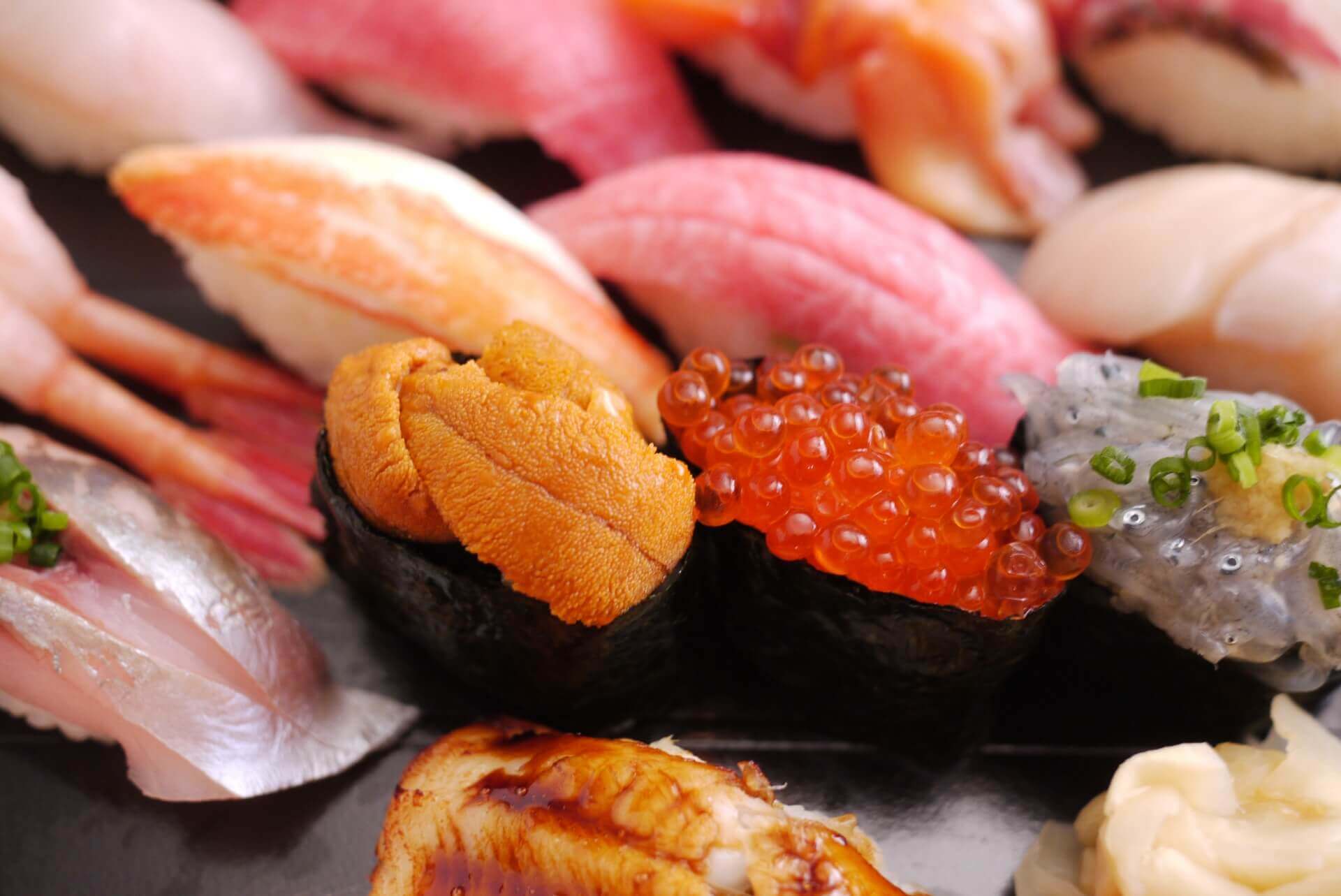
Japanese sushi variations

Understanding what motivates Japanese sushi chefs to consider international opportunities is essential for crafting compelling recruitment propositions. Washoku Agent’s conversations with hundreds of chefs we’ve placed reveal several priority factors that influence their decisions:

Competitive and Transparent Compensation

Financial considerations naturally play a significant role in any career decision. Most chefs expect international opportunities to offer higher compensation than their current Japanese positions, accounting for the additional complexity of working abroad. However, salary discussions require careful handling to avoid misunderstandings that could damage relationships or lead to post-arrival dissatisfaction.

When presenting compensation packages to Japanese candidates, transparency across several dimensions is essential:

  • Gross versus net income: Clearly distinguish between the stated salary and actual take-home pay after tax deductions, which vary significantly by country
  • Cost-of-living context: Provide realistic information about typical monthly expenses including housing, food, transportation, and utilities in your location
  • Currency and exchange rate considerations: Explain how salary will be paid and any exchange rate impacts, particularly if the chef plans to send remittances to Japan
  • Progression potential: Outline how compensation may increase with tenure, performance, or additional responsibilities

Interestingly, through our placement experience, we’ve observed that not all chefs prioritize maximum salary. Many talented professionals are willing to accept comparable or even moderately lower compensation in exchange for exceptional work environments, unique culinary opportunities, career development potential, or lifestyle benefits. The key is honest communication about the total value proposition, allowing chefs to make fully informed decisions based on their individual priorities.

Working Conditions and Quality of Life

Japan’s hospitality industry is known for demanding work schedules, with many sushi chefs working 10-12 hour days, six days per week. International opportunities that offer improved work-life balance can be highly attractive, particularly to chefs in their 30s and 40s who may have families.

Features that resonate strongly with Japanese chef candidates include:

  • Reasonable working hours: Clear schedules with defined shifts rather than open-ended daily commitments
  • Regular days off: Guaranteed weekly rest days, ideally including some weekends to enable social life and family time
  • Vacation provisions: Paid leave policies that accommodate extended trips to Japan, particularly around New Year’s (late December to early January) and Obon (mid-August), which are culturally significant periods when Japanese people traditionally return to their hometowns
  • Health and welfare benefits: Comprehensive health insurance and other benefits that may exceed what’s typical in Japanese restaurant employment
  • Provided or subsidized housing: Accommodation support significantly reduces the stress and financial burden of international relocation

For chefs with families, information about local schools, healthcare for dependents, and community integration support for family members can be decisive factors. Even for single chefs, understanding the social environment and lifestyle opportunities in your location helps them envision their life beyond working hours.

Comprehensive Support from Job Offer to Arrival

For many Japanese chefs, especially those who haven’t worked abroad previously, international relocation involves significant uncertainty and anxiety. Restaurants that demonstrate strong support systems throughout the process substantially increase their attractiveness and conversion rates from offer acceptance to actual arrival.

Key support elements that provide reassurance include:

  • Clear visa process guidance: Step-by-step explanation of visa requirements, timelines, and documentation, with employer handling of complex administrative elements
  • Pre-arrival preparation: Information about what to expect upon arrival, including initial accommodation arrangements, local area orientation, and practical matters like banking and phone service
  • Airport reception: Having someone from the restaurant meet the chef at the airport makes an enormous positive impression and immediately provides reassurance
  • Initial settling-in support: Assistance during the first weeks with tasks like opening bank accounts, obtaining local ID or residence cards, understanding transportation, and locating essential services
  • Ongoing cultural integration: Regular check-ins during the first months to address questions and concerns as they arise

When working with Washoku Agent, we provide structured guidance to restaurant clients on implementing these support systems based on what we’ve learned from over 200 placements about what makes the biggest difference in chef satisfaction and retention.

Culinary Autonomy and Creative Opportunity

For many accomplished sushi chefs, professional development and creative fulfillment matter as much as compensation. Understanding the role’s creative scope and decision-making authority is essential for chefs evaluating opportunities.

Aspects that particularly interest serious sushi professionals include:

  • Position authority: What level of control will the chef have over menu development, daily specials, and preparation methods?
  • Ingredient access: What quality of fish, produce, and specialty items will be available? Can the chef source specialty ingredients or request specific items?
  • Menu evolution: Will the chef have input on evolving the menu based on seasonal availability and creative inspiration?
  • Skill development: What opportunities exist to learn new techniques, work with unfamiliar ingredients, or expand beyond traditional sushi into fusion concepts if that interests them?

During recruitment discussions, actively seeking the chef’s input on these matters—asking what ingredients they’d be excited to work with or what dishes they’d like to create—demonstrates respect for their expertise and creates collaborative rather than purely transactional dialogue. This approach particularly resonates with experienced chefs who have clear culinary visions and prefer environments where their professional judgment is valued.

Japanese-Speaking Presence in the Workplace

While not absolutely essential for successful placements—Washoku Agent has facilitated many situations where the chef was the only Japanese speaker—having at least one Japanese-speaking staff member significantly enhances the chef’s integration, job satisfaction, and overall experience.

This Japanese-speaking presence can take various forms:

  • Another Japanese chef or kitchen staff member who can provide camaraderie and immediate communication support
  • A Japanese-speaking manager who can serve as a cultural bridge and address concerns in the chef’s native language
  • Japanese-speaking front-of-house staff who can facilitate communication about customer preferences and feedback
  • Even a spouse or partner of another staff member who speaks Japanese and is willing to provide occasional informal support

For chefs with limited English proficiency considering their first international position, knowing they won’t be completely isolated linguistically can be the factor that transforms hesitation into commitment. Even for chefs with functional English, the comfort of occasionally communicating in Japanese for complex discussions reduces stress and accelerates their effectiveness in the new environment.

Attracting top Japanese sushi chef talent requires understanding their multifaceted priorities—competitive compensation presented with full transparency, quality-of-life improvements, comprehensive relocation support, creative culinary opportunities, and linguistic-cultural connection—and demonstrating how your opportunity delivers meaningfully on these dimensions.

Q. What if I cannot offer a salary higher than what chefs earn in Japan?
A. Compensation is important but not always decisive. Many chefs we’ve placed accepted comparable or slightly lower salaries in exchange for exceptional work-life balance, creative opportunities, cultural experience, or career development potential unavailable in Japan. The key is transparent communication about the total value proposition and targeting chefs whose priorities align with what you can offer. Washoku Agent helps identify candidates whose motivations match your opportunity profile.
Q. How important is providing housing versus housing allowance?
A. From our placement experience, directly providing furnished housing is significantly more attractive than allowances, particularly for first-time international chefs. Navigating foreign rental markets, furniture acquisition, and utility setup while dealing with language barriers creates substantial stress. Providing move-in-ready housing eliminates these concerns and demonstrates concrete support. If providing housing isn’t feasible, comprehensive assistance with the rental process is the next best alternative.
Q. Should I emphasize traditional or innovative opportunities when recruiting?
A. This depends on your concept and the chef profile you’re targeting. Some chefs, particularly those from prestigious traditional establishments, seek opportunities to practice authentic Edomae techniques with high-quality ingredients. Others, especially younger chefs, are excited by fusion concepts and creative freedom. Be honest about your restaurant’s style and seek chefs whose aspirations align. Misrepresenting your concept to attract candidates inevitably leads to dissatisfaction and turnover.

4. Overcoming Common Hiring Challenges

Hiring the right Japanese sushi chef for the restaurant

Restaurant operators frequently encounter specific obstacles when attempting to recruit Japanese sushi chefs for international positions. Recognizing these common challenges and understanding effective solutions is essential for successful outcomes.

Challenge: Unclear Value Proposition

“I don’t know what my restaurant should emphasize to attract Japanese sushi chefs.”

Many restaurant owners struggle to identify what makes their opportunity compelling from a Japanese chef’s perspective. What seems ordinary to you may be highly attractive to chefs familiar only with Japan’s work environment, and vice versa. Features you consider standard might need explicit mention because they differ from Japanese norms.

Solution: Begin by honestly assessing your offering across the key factors Japanese chefs prioritize: compensation relative to local cost of living, work-life balance compared to typical Japanese restaurant schedules, creative opportunities and ingredient access, professional development potential, and support systems for international transition. Even if you cannot lead in every category, most restaurants have 2-3 strong differentiators that can anchor a compelling narrative. Washoku Agent’s consultation process includes helping clients identify and articulate their unique value proposition based on what resonates with chef candidates across our network.

Challenge: Inability to Access Top Talent

“I have a clear vision of the chef profile I need, but I don’t know how to find these professionals.”

The most skilled sushi chefs are typically not actively searching job boards. Many work in established restaurants with strong reputations and aren’t visible through conventional recruitment channels. Accessing these professionals requires networks and relationships that take years to develop within Japan’s culinary community.

Solution: This is precisely where specialized recruitment agencies provide their greatest value. Washoku Agent’s network extends into high-end establishments across Japan through relationships built over years of ethical, successful placements. We can initiate discreet inquiries with chefs who aren’t actively seeking positions but may be receptive to exceptional opportunities. Our reputation within Japan’s culinary community enables conversations that would be difficult or impossible for international restaurants to initiate directly. We also understand how to approach such chefs respectfully, respecting Japanese professional culture while presenting opportunities compellingly.

Challenge: Previous Recruitment Failures

“We tried recruiting independently before without success. This time we need to find genuinely skilled talent.”

Many operators contact Washoku Agent after unsuccessful attempts through other channels—perhaps they received few applications, interviewed candidates whose skills didn’t match their claims, or successfully recruited someone who didn’t work out after arrival. These experiences create understandable concern about investing further resources in recruitment.

Solution: Learning from previous challenges is valuable. Understanding what went wrong—whether it was insufficient candidate volume, inability to accurately assess skills, mismatched expectations, or inadequate post-arrival support—informs better strategy. Washoku Agent’s process addresses each of these potential failure points: we access broader candidate pools including passive candidates, we thoroughly vet technical skills based on our culinary expertise and chef network references, we facilitate detailed discussions to ensure mutual understanding of expectations, and we provide structured support frameworks that reduce post-arrival adjustment problems. Our track record of over 200 successful placements across diverse markets reflects systematic approaches that minimize common failure modes.

Challenge: Language and Cultural Barriers

“No one on our team speaks Japanese, so we need to fully outsource the entire recruitment process to someone who can manage it end-to-end.”

The language barrier is perhaps the most fundamental challenge in recruiting Japanese chefs. Without fluent Japanese capabilities, every aspect becomes difficult: writing compelling job descriptions that resonate culturally, communicating effectively with candidates, assessing subtle aspects of personality and communication style during interviews, negotiating offers with appropriate cultural sensitivity, and managing pre-arrival logistics.

Solution: Complete recruitment outsourcing to a specialized, bilingual agency eliminates this barrier entirely. Washoku Agent serves as your Japanese-speaking extension, managing every aspect of communication with candidates in fluent Japanese while translating and contextualizing all information for you in English. We handle initial outreach, screening conversations, detailed interviews, reference checking within Japan’s chef network, offer negotiation, contract discussions, visa documentation, and pre-arrival coordination. From your perspective, the process is entirely in English; from the chef’s perspective, they’re communicating naturally in Japanese with professionals who understand both the culinary world and cross-cultural employment. This dual-language capability is foundational to our service model and reflects our team’s bicultural composition.

Challenge: Visa and Immigration Complexity

Even after successfully identifying and recruiting an ideal candidate, the visa and immigration process presents significant complexity. Requirements vary dramatically across countries, processing times can be unpredictable, and documentation requirements are often extensive. Errors or omissions can result in delays or denials that jeopardize the entire placement.

Solution: While Washoku Agent is not a licensed immigration consultancy and always recommends clients work with qualified immigration professionals for legal advice, our experience facilitating placements across 26 countries has given us extensive practical knowledge of chef visa pathways in major destination markets. We provide guidance on typical documentation requirements, realistic processing timelines, and common issues to address proactively. We help prepare employment contracts and supporting documentation that align with immigration requirements while protecting both employer and chef interests. For countries where we’ve facilitated numerous placements, we can often recommend immigration professionals with specific experience in chef work permits who understand the unique aspects of these cases.

Most challenges in recruiting Japanese sushi chefs stem from information asymmetry, network access limitations, language barriers, or process complexity—all areas where specialized agency partnership provides concrete value by leveraging established systems, relationships, and expertise developed through hundreds of successful placements.

Q. What if I’ve already posted ads on Japanese job sites without receiving quality applications?
A. Public job postings typically attract only actively searching candidates, who represent a small fraction of the available talent pool. The most skilled chefs often aren’t actively looking but might consider exceptional opportunities if approached appropriately. Washoku Agent’s value lies in accessing this larger pool of passive candidates through direct outreach leveraging our culinary network, which yields fundamentally different results than public postings.
Q. How can I assess a chef’s actual skill level before hiring?
A. Skill assessment requires culinary expertise and cultural context. Washoku Agent evaluates candidates through multiple lenses: detailed work history verification including position levels and establishment reputation, reference checks within Japan’s chef network, review of photographic portfolios when available, and structured interviews probing technical knowledge and preparation philosophy. For high-level positions, we can facilitate arrangements for clients to observe candidates working in their current establishments when logistically feasible.
Q. What ongoing support does Washoku Agent provide after the chef arrives?
A. Our support extends beyond placement. We maintain contact with both restaurant and chef during the critical first months, helping address any adjustment issues, communication challenges, or unforeseen circumstances that arise. This ongoing relationship reflects our commitment to long-term success rather than just transaction completion. Many clients return to us for additional placements precisely because they experienced our continued support firsthand.

Frequently Asked Questions (FAQ)

Q. How long does the complete process take from initiating recruitment to the chef starting work?
A. Timelines vary based on several factors including candidate availability, visa processing in your country, and scheduling flexibility. From Washoku Agent’s experience across multiple markets, a typical timeline is: 2-4 weeks for candidate identification and initial interviews, 2-3 weeks for offer negotiation and acceptance, 4-12 weeks for visa processing (varies significantly by country), and 1-2 weeks for relocation. Total timeframe typically ranges from 3 to 5 months. For urgent needs, we can sometimes accelerate by focusing on candidates with flexible availability and prioritizing countries with faster visa processing.
Q. What visa categories are typically used for Japanese sushi chefs in major markets?
A. Visa pathways vary by country. Common frameworks include: skilled worker categories (UK, Australia, Canada), specialty occupation visas (US H-1B, though challenging for chef positions), intra-company transfer provisions (for restaurant groups with Japanese operations), and cuisine specialist programs (some Asian markets). Specific classifications vary—for example, Canada’s NOC 6321 (chefs), Australia’s MLTSSL 351311 (chef), or New Zealand’s Green List provisions. Washoku Agent provides country-specific guidance based on your location. Note that permanent residency pathways exist in several countries for skilled chefs, but eligibility and processing periods vary by individual circumstances; we recommend consulting official immigration sources (IRCC for Canada, DOHA for Australia, INZ for New Zealand) and qualified immigration professionals for case-specific advice.
Q. What is the typical success fee structure for recruitment agencies?
A. Most specialized recruitment agencies, including Washoku Agent, operate on a success-fee basis, charging only upon successful placement. Industry-standard fees typically range from 20% to 35% of the chef’s first-year gross salary, varying based on position level, location complexity, and service scope. Washoku Agent’s fees fall within this competitive range. The success-fee structure means no financial risk for initial candidate exploration—you invest only when you’ve found the right chef and they’ve accepted your offer. This model aligns our interests with yours: we succeed only when you do.
Q. Can Washoku Agent help recruit chefs for locations outside major markets?
A. Yes. While we’ve facilitated numerous placements in primary markets like North America, Europe, Asia-Pacific, and the Middle East, we’ve also successfully placed chefs in smaller markets and emerging destinations across our 26-country service area. Less common destinations may require additional explanation to candidates about lifestyle, cultural environment, and professional opportunities, but many chefs are intrigued by unique locations that offer distinctive experiences. Our approach involves honestly presenting what makes your location attractive while addressing practical considerations, enabling candidates to make informed decisions.
Q. What happens if the placement doesn’t work out?
A. Washoku Agent’s thorough vetting process and ongoing support minimize placement failures, but we acknowledge that unforeseen circumstances occasionally arise. Our agreements typically include reasonable guarantee periods during which we’ll provide replacement candidates at no additional fee if a placement ends due to performance issues or mutual unsuitability (as distinct from business changes or circumstances beyond anyone’s control). Specific terms are outlined in engagement agreements. Our focus on careful matching, clear expectations, and post-arrival support reflects our commitment to long-term success rather than just completing transactions.
Q. Do I need to provide housing, or is a housing allowance sufficient?
A. Based on feedback from chefs we’ve placed, directly providing furnished housing is significantly more attractive than allowances, particularly for first international assignments. Navigating foreign rental markets, understanding lease terms in unfamiliar legal contexts, furnishing apartments, and establishing utilities while managing language barriers creates substantial stress during an already challenging transition. Move-in-ready housing eliminates these concerns and demonstrates tangible support. If providing housing isn’t feasible, comprehensive hands-on assistance with rentals (accompaniment to viewings, translation of documents, utility setup help) is the next best alternative and far more valuable than simply providing an allowance.
Q. How do I get started with Washoku Agent’s recruitment services?
A. The process begins with an initial consultation where we discuss your specific needs: restaurant concept and positioning, chef profile you’re seeking (experience level, specializations, personality), timeline requirements, compensation budget, and any special circumstances. This consultation is complimentary and without obligation—it’s an opportunity for mutual assessment of fit. Following this discussion, if we proceed, we formalize the engagement, begin candidate identification, and keep you informed throughout the process. We encourage you to reach out through our consultation page to begin the conversation.

Ready to Find Your Ideal Japanese Sushi Chef?

Whether you’re facing challenges with current recruitment efforts, seeking access to top-tier talent, or simply want to explore your options with no obligation, Washoku Agent is here to help. With over 200 successful placements across 26 countries and deep networks within Japan’s culinary community, we specialize in connecting exceptional Japanese sushi chefs with outstanding international opportunities.

Our specialized expertise includes:

  • ✓ Access to passive candidates not visible through public channels
  • ✓ Thorough skill assessment and cultural fit evaluation
  • ✓ Complete bilingual communication management
  • ✓ Visa guidance and documentation support
  • ✓ Ongoing post-arrival support for successful integration

Schedule Your Free Consultation

No obligation · Confidential discussion · Expert guidance from placement specialists

magazine-newsletter-banner magazine-newsletter-banner

Washoku Agent Email Newsletter


Hi, how can I help you?

Related posts