
How to Price an Omakase Menu: Costs, Benchmarks and the Chef Factor (2026)
Omakase pricing is the most opaque question in Japanese dining, and the one restaurant owners outside Japan ask us about most often once they decide to open a counter. This guide puts the public price points of nine cities in one table, lets chefs and owners explain the cost structure in their own words, and sets out a pricing method that starts from the item owners most often underestimate: the chef.
What does omakase cost around the world right now?
The figures below are published prices for a seat at the counter, per person and before drinks, taken from city guides and reviews dated 2025 to 2026 unless marked otherwise. They are a map of where the market sits today, not a recommendation.
Why is omakase so expensive? The cost structure
Owners rarely publish their cost sheets, but chefs have said in public what sits behind the price. Three items dominate: fish bought at the top of the market and flown in, the hours of a trained chef per seat, and a room that by design has very few seats.
- Fish cost ranges from about USD 18 to 120 per pound depending on the cut, and real wasabi root from Japan costs around USD 200 per pound, according to chef Jesse Ito of Royal Sushi Omakase in Philadelphia. (Resy, America’s top sushi chefs answer your omakase questions, May 2023)
- At U Omakase in Brooklyn, chef-owner Luis Durand raised his price once in four years, from USD 89 to 109, as imported fish that once cost about USD 8 per pound rose to about USD 30. (Edible Brooklyn, October 2026)
- Sushi Ouji in SoHo receives fish from Toyosu market in Tokyo twice a week; owner Emily Li says almost all of the fish is flown in directly. (amNY, September 2025)
- In Singapore, Sushi Masaaki states that all of its ingredients are air-flown from Toyosu, and Shoukouwa (S$380++) says its fish is flown daily from Tokyo. (SETHLUI.com, October 2026)
- Across US full-service and limited-service restaurants the average food cost sits between 28 and 32 percent of sales (US Foods figure cited by Resy). No chef has published an omakase-specific percentage; the chefs quoted here describe their ingredient cost as well above a standard kitchen’s. (Resy, restaurant menu pricing guide, 2026)
- Chef Masayoshi Baba of Masayoshi in Vancouver said price adjustments followed increases in food cost and that at his counter “It is not about making money but breaking even”. (Montecristo Magazine, March 2021)
- Fish bought at the top of the market, with the price of imported cuts rising several times over since 2020 (Edible Brooklyn, 2026).
- Air freight on small, perishable shipments two or more times a week.
- A trained chef’s hours per guest: one chef serves 8 to 12 seats, not a dining room.
- Seat count in single digits, so every fixed cost is divided across a few guests.
- Two seatings a night rather than one, where the room and the chef can sustain it.
- A lunch or weekday entry menu at a lower price that fills the counter outside peak hours (seen in Los Angeles, San Francisco and New York).
- Deposits or prepaid tickets, so a no-show does not become a lost seat.
- A clear tier choice: entry, middle or top, rather than a price that drifts between them.
The chef factor: the line item owners underestimate
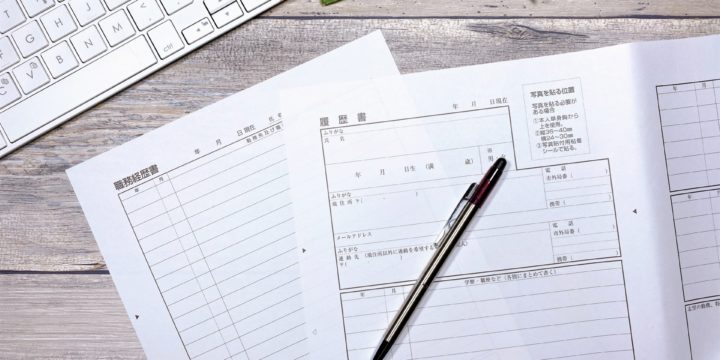
Fish gets the attention, but the chef is the cost line that decides whether the counter can open at all. A counter with no trained sushi chef has no product. Owners outside Japan budget the fish carefully and then discover that the chef’s package is the largest fixed cost and the hardest to replace.
- A Brooklyn omakase restaurant advertised a sushi chef role at USD 85,000 to 100,000 a year, requiring ten or more years in sushi and three or more as an omakase chef. (Culinary Agents, Shota Omakase listing, listing expired June 2026)
- The US median wage for chefs and head cooks of all cuisines was USD 62,470 in May 2025, so a trained omakase chef in a major city is advertised well above the national median for the profession. (US Bureau of Labor Statistics, Occupational Outlook Handbook, August 2026)
- In Sydney, advertised sushi chef roles ranged from AUD 75,000 to 90,000 (sashimi and sushi chef, West Ryde) up to AUD 80,000 to 100,000 plus superannuation for a head sushi chef (Chatswood). (Indeed Australia, October 2026)
- A Singapore salary guide puts a sushi chef at roughly S$6,500 to 9,000 a month, citing Glassdoor and Indeed data; treat it as an estimate rather than an advertised wage. (Dollars and Sense, January 2024)
- Chef J. Trent Harris of Mujo in Atlanta on why the menu costs what it does: “the ingredients are very expensive and there is a lot of labor involved.” (Resy, May 2023)
United States →Singapore →United Kingdom →Australia →France →UAE →
A pricing method that works at the counter
Published prices and chef quotes are the inputs. The method below turns them into a number for your own counter. It is the sequence we walk through with owners before they brief us on the chef they need.
Common pricing mistakes
Deposits, prepaid seats and no-shows
Deposits and prepaid tickets are part of omakase pricing, not an add-on. The seat is the product, and an empty one cannot be resold at 8 p.m.
- Omakase at Barracks Row in Washington, DC sells prepaid tickets, applies a 22 percent service charge at purchase and makes tickets non-refundable within 48 hours of the reservation. (Omakase DC, FAQ, 2026)
- Tock co-founder Nick Kokonas on why the ticket model began: “We had about 110 people a month that didn’t show up who said they were showing up.” (PBS NewsHour, June 2015)
- Jerrod Melman of Lettuce Entertain You: “The most expensive thing in our business is an empty seat.” (PBS NewsHour, June 2015)
- Singapore chef-owner Bjorn Shen on a last-minute group cancellation: “One-third of our night’s revenue gone.” (Michelin Guide, Boon or bane: restaurant reservation deposits, July 2019)
Frequently asked questions
Why is omakase so expensive?
Because three expensive things meet in one seat: fish bought at the top of the market and flown in, a trained chef’s time per guest, and a room with very few seats to share the fixed costs. Chefs in Philadelphia, Atlanta and Chicago describe it the same way: expensive ingredients and a lot of labour for each piece.
How much should an omakase menu cost?
It depends on the tier you choose. Published prices in 2025 to 2026 run from about USD 56 to 129 for entry-tier counters in New York, USD 180 to 300 for most chef-owned counters in the US, Australia and Europe, and above USD 400 for a handful of rooms. Build the price from your seat count and chef cost, then check it against the city table.
What food cost percentage should I target for omakase?
No chef has published an omakase-specific figure. The general US restaurant average is 28 to 32 percent of sales, and the chefs quoted here describe ingredient costs well above a standard kitchen’s. Use your own purchase ledger for the first quarter and set the target from that.
How much does a Japanese sushi chef cost?
Advertised packages in 2026 include USD 85,000 to 100,000 for an omakase chef in Brooklyn and AUD 80,000 to 100,000 plus superannuation for a head sushi chef in Sydney. Visa, relocation and housing support come on top. Our country guides give salary ranges and visa routes for the US, Singapore, the UK, Australia, France and the UAE.
Should I take deposits for omakase?
Yes. Counters in Washington, DC, Singapore and Vancouver all describe no-shows as a direct hit to the night’s revenue, and prepaid tickets or deposits with a 48-hour window are now common practice.
Can I open an omakase counter without a Japan-trained chef?
You can open a sushi restaurant without one, but an omakase counter sells the chef’s judgement at each course, and guests pay the tier price for that. Most owners we work with hire one experienced Japanese chef first and build the second line of cooks under them.
Sources (checked 2026-10-08)
- The LO Times: Masa’s extended omakase at USD 1,200 (March 2026)
- The Infatuation: Uka Omakase review (August 2025)
- amNY: Sushi Ouji (September 2025)
- Resy: Omakase in Los Angeles (August 2026)
- The Infatuation: Sushi Zo (July 2026)
- The Infatuation: Best sushi omakase in San Francisco (April 2026)
- SETHLUI.com: Best omakase in Singapore (October 2026)
- The Infatuation: Best omakase menus in London (March 2026)
- Time Out London: Sushi Amamoto (February 2026)
- Time Out Sydney: Omakase guide (September 2023)
- Broadsheet: Melbourne omakase (February 2025)
- Concrete Playground: Best omakase Melbourne (July 2025)
- Yonder: Meilleurs sushis Paris (May 2026)
- Gault&Millau: Sushi Yoshinaga
- Curly Tales: Best omakase in Dubai (May 2025)
- AE World: Armani/Hashi omakase (August 2025)
- Resy: America’s top sushi chefs answer your omakase questions (May 2023)
- Edible Brooklyn: U Omakase (October 2026)
- Montecristo Magazine: Can omakase survive the pandemic (March 2021)
- Resy: Restaurant menu pricing guide
- Culinary Agents: Shota Omakase sushi chef listing
- US BLS: Chefs and head cooks (August 2026)
- Indeed Australia: Sushi chef jobs in Sydney (October 2026)
- Dollars and Sense: Chef salary guide Singapore (January 2024)
- Omakase DC: FAQ
- PBS NewsHour: Booking a table may soon mean buying a ticket (June 2015)
- Michelin Guide: Restaurant reservation deposits (July 2019)