can be attractive for some candidates, but eligibility and rules change—confirm case-by-case.
The “Authentic” wave in Amsterdam & Rotterdam
The Netherlands is no longer only about all-you-can-eat sushi. In Amsterdam and Rotterdam, we see rapid premiumization:
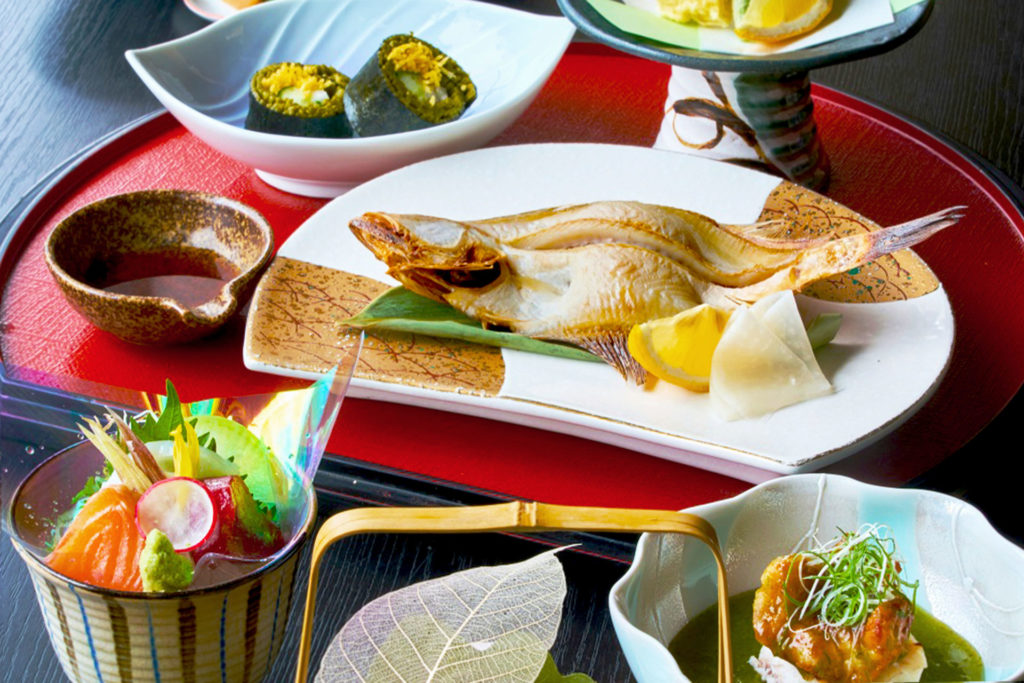
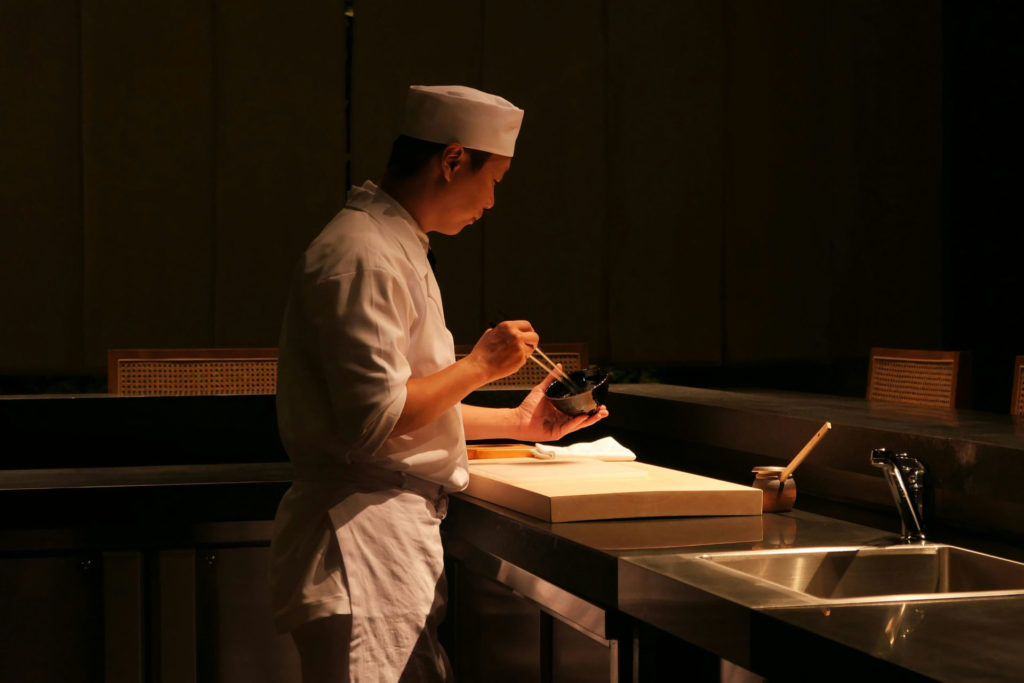
More concepts—from ramen-ya to high-end omakase counters—are competing on “Japan-level quality.”
The market already knows top-tier Japanese dining (eg, legacy fine-dining Japanese restaurants), which helps high-end concepts convert.
The real challenge: local talent shortage
In reality, it’s extremely difficult to find experienced Japanese chefs already living in the Netherlands:
Many are already employed on strong packages, or
preparing to open their own place, or
heavily approached by recruiters.
To protect your restaurant’s authenticity and quality, hiring directly from Japan becomes one of the most viable strategies—if you do it with a realistic Dutch-market plan.
Why Us?
Why Dutch Restaurant Owners Choose Washoku Agent
Why do restaurant owners in the Netherlands choose Washoku Agent?
Hiring the right Japanese chef from 9,000 km away is not about luck.
It’s about understanding the talent, the market, and what makes a chef succeed in the Netherlands.
Our goal is simple:
Hire the right person
Start smoothly
Retain long term
We shortlist “authentic specialists” — beyond the CV
We don’t assess candidates by resume alone. We evaluate what matters in real kitchens:
“We initially tried recruiting through our own network, but struggled to attract the right candidates.”
“Washoku Agent helped us realize that our offer was not aligned with the market and guided us in redesigning a competitive package. With their support, we interviewed six candidates from a strong shortlist and successfully hired a head sushi chef.”
“The recruitment market is constantly changing, and working with an agent who understands these dynamics made all the differences.”
Support up to start day — relocation readiness & communication
International hiring often fails after the offer, during paperwork and relocation preparation.
The IND explicitly lists requirements for Japanese nationals using the Dutch–Japanese Trade Treaty under the self-employed permit route.
Key practical points:
• Minimum investment: IND indicates €4,500 for most business forms. • The setup must be a genuine independent business, not “employment in disguise.”
Key practical points
• Minimum investment: IND indicates €4,500 for most business forms.
• The setup must be a genuine independent business, not “employment in disguise.”
Japan vs Netherlands — cultural & legal differences (high friction points)
Common friction areas to plan upfront:
probation period rules can be strict
• working hours / work-life balance expectations differ strongly
• holiday allowance is standard practice in the Netherlands
• fixed-term contract “chain rules” and expectations differ
What to expect (Netherlands-specific risks)
Housing crisis (the biggest barrier)
In major cities, housing is the #1 acceptance and onboarding risk. Without an address, many settlement steps become difficult.
Timing & seasonality
Even if the permit route is fast, relocation and housing take time. Start planning 3–4 months before the intended start date.
Family relocation
Experienced chefs often relocate with family. Package design needs to consider income adequacy, housing, and schooling options.
FAQ
(10 questions — Schema-ready in English)
Can we hire a Japanese chef if our kitchen runs in English only?
Yes. In Amsterdam/Rotterdam, many kitchens operate in English. We assess English communication and multi-national team adaptability.
How long does it take to hire a Japanese chef in the Netherlands?
Typical end-to-end timeline is 3–5 months. Candidate selection to hiring decision can be ~1.5–3 months depending on requirements and season.
Which Japanese chef profiles are most in demand in the Netherlands?
Omakase/counter sushi, sushi for casual fine dining, izakaya specialists, kaiseki/kappo, teppanyaki, and Japanese pastry.
Which visa route is most common: GVVA or Highly Skilled Migrant?
It depends on employer setup, salary design, and candidate profile. We help you pick the most realistic route for your constraints.
Do we need to be a recognised sponsor (Erkend referent) to hire?
Not always. Some routes benefit from recognized sponsor status, but alternatives may exist depending on the situation.
What salary should we budget?
It varies by city, concept, responsibilities, and route requirements. We advise on a competitive package that actually attracts candidates.
Is the 30% ruling a strong hiring advantage?
It can be, but eligibility is case-by-case and the rules may change. We treat it as a potential benefit, not a guarantee.
Is housing support really necessary in the Netherlands?
In many cases, yes—especially in Amsterdam. Housing support (temporary accommodation and realistic planning) often determines offer acceptance.
Can candidates relocate with family?
Yes, especially senior candidates. But you need a realistic package and planning for housing and schooling.
How do you evaluate candidate skills beyond a CV?
We assess specialty skills (sushi/omakase/izakaya/kaiseki), real kitchen performance, international adaptability, and communication readiness—then provide a shortlist only.