

How to Attract Japanese Chefs to Your Restaurant: The Complete 2026 Recruiter Playbook
Washoku Agent is a specialist agency placing Japanese chefs in 26 countries
Placements26
Countries8
Languages
🎯 Key Takeaways
- Complete 7-step recruiter playbook for hiring Japanese chefs successfully.
- Steps 1-3: Define profile / Set compensation / Choose visa pathway
- Steps 4-5: Partner with specialist agency / Multi-stage screening (CV → interview → tasting trial → references)
- Steps 6-7: Manage visa & pre-arrival / Structured 3-6 month onboarding
- Step summary table in Section 9, common pitfalls in Section 10, self-assessment checklist in Section 12.
- Total typical hiring timeline: 3-12 months depending on country and visa pathway.
Hiring a Japanese chef for your restaurant is not like hiring any other culinary professional. It requires understanding of cultural nuances, specialized visa pathways, compensation expectations shaped by Japan’s domestic market, and a recruitment process that bridges language and geography. Many restaurant owners discover these complexities only after posting a job ad that attracts zero qualified candidates—or after signing an offer letter with a chef who arrives unprepared and leaves within six months.
Washoku Agent is a specialist recruitment agency connecting Japanese chefs with restaurants across 26 countries (200+ successful placements, multilingual support in 8 languages). Over the years, we have seen firsthand what separates successful hires from costly mis-hires. This playbook distills that experience into a step-by-step guide you can follow—whether you are opening your first sushi counter or expanding a kaiseki concept to a second city.
This article walks you through the complete recruiter playbook: from defining your kitchen concept and setting realistic compensation, to choosing the right visa pathway, partnering with a specialist agency, conducting multi-stage screening, managing the pre-arrival period, and onboarding your chef for long-term success. Each step includes actionable timelines, decision criteria, and concrete examples drawn from our placement experience. By the end, you will have a clear roadmap to attract, hire, and retain Japanese chefs who elevate your restaurant and stay for years—not months.
Why hiring Japanese chefs requires a different playbook
Conclusion: Japanese chefs bring technical mastery and cultural authenticity, but recruiting them demands specialized knowledge of visa sponsorship, cultural expectations, and long-term retention strategies that general hospitality recruiters rarely possess.
Japanese culinary training is built on a foundation of apprenticeship that can span 10–15 years before a chef is considered fully independent. A sushi chef who has spent 12 years at a Tokyo counter carries not only knife skills and rice technique, but also an internalized sense of seasonality, guest hospitality, and kitchen hierarchy that cannot be replicated through short-term courses. When you hire such a professional, you are not simply filling a vacancy—you are importing a complete culinary philosophy.
However, that same depth of training creates recruitment challenges. Many Japanese chefs have limited international experience and may not speak conversational English. They often hold expectations about kitchen structure (hierarchy, communication style, ingredient quality) that differ sharply from Western norms. A typical job posting on a general hospitality board will not reach these candidates, because they are not actively browsing English-language job sites. Even when you do connect with a qualified chef, visa sponsorship requirements, housing logistics, and cultural onboarding become make-or-break factors.
Washoku Agent has placed over 200 Japanese chefs in 26 countries, and we have observed that successful hires share common patterns: restaurants that define their concept clearly, set compensation aligned with both the chef’s expectations and local market realities, choose the correct visa pathway early, conduct thorough cultural fit screening, and commit to structured onboarding. Restaurants that skip any of these steps face higher attrition rates, longer time-to-hire, and frustrated chefs who return to Japan within the first year.
This playbook exists because hiring Japanese chefs is fundamentally different from hiring local cooks or chefs from other countries. The investment is higher, the timeline is longer, and the cultural integration is more nuanced—but the return, when done correctly, is a chef who becomes the cornerstone of your restaurant’s reputation and stays for 4–6 years or more.
- Q. Can we use a general hospitality recruiter for Japanese chef hiring?
- A. General recruiters often lack access to Japan-based candidates, familiarity with chef-specific visa pathways, and the cultural translation skills needed for successful matching. Specialist agencies have built candidate pipelines over years and understand both sides of the cultural equation.
Step 1: Define your kitchen concept and chef profile

Conclusion: Before you write a job description, answer three questions—what cuisine type, what service style, and what seniority level—because these decisions determine your candidate pool, visa eligibility, and compensation bracket.
The first and most critical step is to define exactly what you need. “Japanese chef” is not a single profile—it spans sushi itamae with 15 years of edomae training, kaiseki chefs who specialize in seasonal multi-course dining, yakitori specialists, ramen artisans, izakaya all-rounders, and teppanyaki showmen. Each discipline requires different skill sets, and candidates self-identify strongly with their training lineage.
Cuisine type decision matrix
Start by clarifying your cuisine type and service format. The table below shows the key distinctions Washoku Agent uses when matching candidates to restaurants:
| Cuisine Type | Typical Service Style | Chef Training Background | Critical Success Factor |
|---|---|---|---|
| Edomae sushi (Omakase) | Counter-style, 8–12 seats, high-touch interaction | 10+ years apprenticeship, counter experience in Japan | Guest interaction skills, ingredient sourcing (fish quality) |
| Kaiseki | Multi-course tasting, 20–40 covers, seasonal menu rotation | Ryotei or kappo training, strong knife skills, kaiseki philosophy | Menu creativity, ingredient seasonality, plating precision |
| Izakaya / casual Japanese | À la carte, 50–100 covers, varied menu | 5–8 years general Japanese cooking, speed and consistency | Volume handling, team coordination, cost control |
| Teppanyaki | Live cooking, tableside performance, 30–60 covers | Teppanyaki-specific training, showmanship, timing precision | Guest engagement, protein handling (Wagyu, seafood), entertainment value |
| Robatayaki / yakitori | Open-fire cooking, bar-style or table service | 3–7 years grill specialization, charcoal technique | Fire control, skewer consistency, sake pairing knowledge |
Counter-style versus production-style implications
Within sushi and kaiseki, there is a crucial distinction between counter-style chefs (who interact directly with guests, present dishes, and adjust courses in real time) and production-style chefs (who work in a back kitchen preparing for service). Counter-style chefs require stronger language skills, guest hospitality training, and command higher compensation. Production-style chefs can succeed with minimal English if the front-of-house team handles guest communication.
For example, a Melbourne Omakase restaurant that seats 10 guests per service will need a chef comfortable with real-time guest interaction, ingredient storytelling, and adjusting portions based on guest appetite. A London production sushi kitchen preparing 200 nigiri per night for delivery and walk-in service needs speed, consistency, and volume management—but not the same level of conversational skill.
Expected covers per day and team size
Defining your expected daily covers and kitchen team size is essential for matching seniority level. A head chef running a 3-person kitchen preparing 40 kaiseki covers per night has different responsibilities than a sous chef in a 7-person brigade handling 120 covers. When we screen candidates at Washoku Agent, we ask restaurants to specify:
- Daily cover range: 30–50 / 50–80 / 80–120 / 120+ covers
- Kitchen team size: solo / 2–3 people / 4–6 people / 7+ brigade
- Seniority expectation: head chef / sous chef / chef de partie / specialist role
- Menu autonomy: full creative control / collaborative development / execute existing menu
These parameters directly influence which candidates will be interested and which visa categories apply. A 35-year-old head chef with 14 years of experience will not accept a chef de partie role, even at higher pay. Conversely, a 28-year-old with 6 years of experience may not yet be ready to lead a large brigade and set seasonal menus independently.
- Q. Can we hire a Japanese chef if our restaurant is not strictly traditional Japanese cuisine?
- A. Yes—many Japanese chefs work successfully in fusion concepts or modern interpretations. What matters is clarity: explain your concept honestly, show menu examples, and confirm the chef is open to creative adaptation. Washoku Agent has placed chefs in Nikkei (Japanese-Peruvian), Japanese-French fusion, and contemporary izakaya formats—all successful because expectations were aligned from the start.
Step 2: Set realistic compensation aligned with your market

Conclusion: Competitive compensation for Japanese chefs includes not just base salary but housing support, relocation costs, retention bonuses, and permanent residency pathways—budgeting for total cost of hire prevents mid-process surprises.
Compensation is where many restaurant owners stumble. Posting a salary figure that seems generous in your local market may be uncompetitive for a Japanese chef when you account for relocation costs, housing premiums in major cities, and the opportunity cost of leaving Japan’s stable employment market. Washoku Agent has observed that underbidding by 15–20% often results in zero qualified applicants or candidates who accept and then withdraw before relocation.
Country-specific salary ranges (reference only)
Based on our placement experience across 26 countries, here are reference salary ranges for experienced Japanese chefs (8–12 years, capable of leading a small team or running a specialized counter). These figures represent annual gross salary and do not include housing, relocation, or retention bonuses:
| Country / Region | Salary Range (Experienced Chef) | Currency Notes |
|---|---|---|
| United States (major cities) | USD 60,000–90,000 | NYC / LA / SF upper end; secondary cities lower |
| Canada (Toronto, Vancouver) | CAD 55,000–80,000 | Permanent residency pathway adds appeal |
| United Kingdom (London) | GBP 35,000–50,000 | Skilled Worker visa threshold GBP 38,700 (2024) |
| Australia (Sydney, Melbourne) | AUD 65,000–85,000 | TSS visa, potential PR after 3 years |
| New Zealand | NZD 55,000–75,000 | AEWV (Green List for senior roles) |
| Singapore | SGD 42,000–65,000 | S Pass / Employment Pass thresholds |
| UAE (Dubai) | AED 84,000–132,000 (USD 23k–36k) | Tax-free, housing often included |
| France (Paris) | EUR 30,000–45,000 | Talent Passport for senior roles (EUR 38k+ threshold 2024) |
These are base salary reference ranges only. Actual offers will vary based on restaurant type, chef seniority, and local cost of living. For example, a head sushi chef with 15 years of experience opening an Omakase counter in London may command GBP 55,000–65,000, while a sous chef in a casual izakaya in a smaller UK city may accept GBP 32,000–38,000.
Hidden costs: relocation, ingredient premium, and retention bonuses
Beyond base salary, budget for the following additional costs that candidates expect or that you will incur during the first 12 months:
- Relocation package: airfare (economy or business for senior roles), initial accommodation (1–4 weeks hotel or Airbnb), shipping of personal belongings (JPY 100,000–300,000 / USD 700–2,000). Many restaurants reimburse upon arrival or provide a lump sum of USD 2,000–5,000.
- Housing support: in high-cost cities (London, NYC, Toronto, Sydney), many restaurants provide housing allowance (USD 500–1,500/month) or company accommodation for the first 6–12 months. Without this, take-home pay may feel insufficient and lead to early attrition.
- Visa and legal fees: sponsorship application fees, immigration lawyer costs, and any employer-side charges. In the UK, the Certificate of Sponsorship fee is GBP 239 per chef, plus Immigration Skills Charge (GBP 1,000/year for small sponsors, GBP 364/year for large sponsors). In Australia, nomination and visa fees total AUD 3,000–5,000 per chef. Budget USD 2,000–8,000 depending on country.
- Retention bonus structure: to reduce turnover, some restaurants offer a 12-month retention bonus (e.g., USD 3,000–5,000 paid after one year of employment). This discourages early departure and signals long-term commitment.
- Ingredient premium: Japanese chefs often expect access to specific ingredients (katsuobushi, kombu grades, sake varieties, Japanese rice, seasonal fish). If your supplier network is limited, ingredient costs may be 10–20% higher than for non-Japanese cuisine. This is not part of chef compensation but affects your P&L and should be discussed during hiring to set realistic menu expectations.
Compensation structure: base + housing + signing + retention
A complete offer letter for a Japanese chef typically includes four components:
- Base annual salary (gross, before tax)
- Housing support (monthly allowance or company-provided accommodation for X months)
- Signing bonus (optional, USD 2,000–5,000, paid upon successful visa approval and arrival)
- Retention bonus (paid after 12 months of continuous employment, USD 3,000–5,000)
For example, a Toronto kaiseki restaurant hiring a 34-year-old head chef with 12 years of experience might structure the offer as:
- Base salary: CAD 72,000/year
- Housing allowance: CAD 1,200/month for first 12 months (total CAD 14,400)
- Signing bonus: CAD 3,000 upon arrival
- Retention bonus: CAD 4,000 after 12 months
- Total first-year compensation value: CAD 93,400 (approximately USD 69,000)
This structure makes the total value clear to the candidate while spreading cash flow impact over 12 months for the restaurant.
- Q. How do we know if our salary offer is competitive without revealing our budget to multiple agencies?
- A. Specialist agencies like Washoku Agent provide confidential market calibration—we can tell you if your proposed range will attract qualified candidates in your city, without requiring you to post publicly or engage multiple recruiters. This prevents the common scenario of spending 60 days on an uncompetitive posting before realizing you need to raise the offer by 15%.
Step 3: Choose the right visa pathway

Conclusion: Choosing the correct visa pathway early—based on chef seniority, your sponsorship license status, and permanent residency goals—prevents application delays, refusals, and candidate drop-off during the 2–12 month processing window.
Visa pathways are the single most common bottleneck in Japanese chef recruitment. Many restaurant owners assume “we’ll figure out the visa once we find the right person,” only to discover that their preferred candidate does not meet skill-level thresholds, or that obtaining a sponsor license will take 8–12 weeks, or that the salary offered falls below the legal minimum for the visa category.
Washoku Agent has published a detailed country-by-country visa guide (reference article: “Work Visas for Japanese Chefs in 2026”) that covers 18 major destination countries. This section summarizes the decision logic you should apply when choosing a pathway, and flags the key criteria that determine eligibility.
Match visa to chef seniority and your sponsor capabilities
Most countries operate multi-tier skilled worker visa systems. The tier you apply under depends on:
- Chef’s experience and role level: head chef / sous chef / chef de partie / specialist (e.g., sushi itamae)
- Your restaurant’s sponsorship license: do you already hold a license, or will you need to apply for one first?
- Minimum salary threshold: does the visa category require a minimum salary (e.g., UK Skilled Worker GBP 38,700, Australia TSS AUD 70,000 in some states)?
- Occupational classification: does the chef’s role map to an eligible occupation code (e.g., Canada NOC 6321 “Chefs,” Australia ANZSCO 351311 “Chef,” UK SOC 5434 “Chefs”)?
Here are the most common pathways Washoku Agent uses for Japanese chef placements:
- United Kingdom: Skilled Worker visa
- Requires Certificate of Sponsorship from licensed employer. Minimum salary GBP 38,700 (2024) or “going rate” for SOC 5434 Chefs (GBP 29,000–31,000 for entry-level roles, but most Japanese chefs qualify for GBP 38,700+ bracket). Processing time 3–8 weeks once CoS issued. Path to Indefinite Leave to Remain after 5 years.
- Canada: LMIA-based work permit (NOC 6321)
- Requires positive Labour Market Impact Assessment. Provincial wage requirements vary (e.g., Ontario median wage CAD 20–22/hour, BC CAD 22–24/hour). Processing time 2–6 months. After 1 year of work experience, chef may apply for Express Entry permanent residency (Canadian Experience Class or Federal Skilled Worker).
- Australia: Temporary Skill Shortage (TSS) visa subclass 482
- Requires Standard Business Sponsorship. Chef occupation (ANZSCO 351311) on Medium and Long-term Strategic Skills List (MLTSSL). Minimum salary Temporary Skilled Migration Income Threshold (TSMIT) AUD 70,000 (2024). 2-year or 4-year visa depending on occupation list. Pathway to Employer Nomination Scheme (subclass 186) permanent residency after 3 years for MLTSSL occupations.
- New Zealand: Accredited Employer Work Visa (AEWV)
- Employer must be accredited, then submit job check, then support individual visa application. Chef (ANZSCO 351311) on Green List (Tier 2) if meets salary threshold NZD 55 per hour (approximately NZD 110,000/year). Green List Tier 2 offers straight-to-residence pathway after 2 years. Lower-paid roles use standard AEWV with 3-year work-to-residence pathway.
- United States: H-1B specialty occupation (limited applicability for chefs)
- H-1B generally requires bachelor’s degree and specialty occupation. Most chefs do not qualify unless role is “culinary manager” or similar. Alternative: EB-3 employment-based green card (years-long process) or O-1 visa for chefs with extraordinary ability (rare). L-1 intra-company transfer if restaurant has Japan entity and chef has worked there 1+ years. In practice, US hiring of Japanese chefs is complex and often requires immigration attorney from day one.
- Singapore: Employment Pass (EP) or S Pass
- EP for higher-earning roles (minimum SGD 5,000/month, higher for older applicants). S Pass for mid-tier roles (minimum SGD 3,150/month in 2024, quota and levy apply). Chef must meet salary and qualification criteria (degree preferred for EP, but work experience can substitute). Processing time 3–8 weeks.
- UAE (Dubai): Employment visa
- Sponsored by employer, relatively straightforward for skilled chefs. No minimum salary legislated, but typically AED 7,000–11,000/month (USD 1,900–3,000) for experienced chefs. Processing time 4–8 weeks. No path to permanent residency, but Golden Visa available for exceptional talent (rarely applied to chefs).
Permanent residency as retention strategy
One of the strongest retention tools for Japanese chefs is a clear pathway to permanent residency. Chefs in their 30s and 40s are often considering long-term stability and may prioritize countries where they can settle permanently over higher short-term salaries in countries with no PR pathway.
Countries where Washoku Agent sees strong candidate interest due to PR pathways:
- Canada: Express Entry system allows chefs with 1+ years of Canadian work experience to apply for permanent residency (processing time 6–12 months). This is a major draw for Japanese chefs compared to the US.
- Australia: TSS visa holders on MLTSSL occupations can apply for Employer Nomination Scheme (subclass 186) permanent residency after 3 years. Chefs often view Australia as a long-term destination for this reason.
- New Zealand: Green List pathway offers straight-to-residence for senior chefs meeting NZD 55/hour threshold (approximately NZD 110,000/year). Even non-Green List AEWV holders can apply for residence after 3 years via Skilled Migrant Category.
- United Kingdom: Skilled Worker visa holders can apply for Indefinite Leave to Remain after 5 years of continuous residence. This appeals to chefs seeking European base (though post-Brexit UK is no longer EU).
If your restaurant is in a country with limited or no PR pathway (e.g., Singapore, UAE, many European countries without points-based immigration), be prepared to offer higher compensation or shorter contract terms (2–3 years) to attract candidates who view the role as a stepping stone rather than long-term destination.
- Q. What happens if the visa application is refused after we have made an offer?
- A. Visa refusal risk is real but manageable. Washoku Agent pre-screens candidates for visa eligibility (experience level, salary threshold, English language ability where required) before presenting them to you. If refusal occurs due to immigration authority decision (not candidate misrepresentation), we typically re-source a replacement candidate at no additional placement fee. Always build 2–4 weeks of buffer time into your opening schedule to account for potential visa delays.
Step 4: Partner with a specialist agency for sourcing and matching
Conclusion: Specialist agencies provide access to Japan-based candidate pools, bilingual screening, cultural translation, and post-placement support that general recruiters and direct hiring cannot replicate—especially for restaurants hiring their first Japanese chef.
Many restaurant owners initially attempt to hire Japanese chefs through general hospitality recruiters, LinkedIn, or local job boards. These methods work well for hiring local cooks or chefs from other countries, but they have fundamental limitations when the target candidate is currently working in Japan, speaks limited English, and has never worked abroad.
Why specialist agencies matter for cultural fit
Japanese chefs do not typically browse English-language job sites or respond to cold LinkedIn messages from foreign restaurants. The vast majority are employed full-time in Japan, working 10–12 hour days, and have limited time or motivation to research overseas opportunities independently. Even when they are interested in working abroad, they face barriers: uncertainty about visa processes, concerns about language and cultural adjustment, lack of trust in foreign employers they have never met, and family considerations (spouse employment, children’s schooling).
Specialist agencies solve these barriers by acting as a trusted intermediary. At Washoku Agent, we maintain relationships with culinary schools in Japan, alumni networks of major restaurant groups, and chefs who have previously worked abroad and refer colleagues. We conduct initial screening in Japanese, explain visa pathways in the candidate’s native language, and provide cultural context for both sides (e.g., explaining to the chef that “sous chef” in a 5-person Western kitchen may have more autonomy than a “sous chef” in a 15-person Tokyo kaiseki kitchen, or explaining to the restaurant that a Japanese chef may expect daily staff meals and structured hierarchy that differ from flat Western kitchen cultures).
What Washoku Agent does: sourcing, matching, and support
Our recruitment process follows a structured flow designed to maximize match quality and reduce attrition:
- Intake consultation (1–2 hours): we meet with the restaurant (video call or in-person if local) to understand concept, team structure, compensation, visa status, and timeline. We clarify the chef profile (cuisine type, seniority, menu autonomy, covers per day) and confirm budget alignment with market.
- Candidate sourcing (2–4 weeks): we reach out to our candidate network in Japan, post in Japanese-language culinary communities, and screen applicants. We conduct initial phone interviews in Japanese to assess experience, motivation, language ability, and family situation.
- Shortlist presentation (3–5 candidates): we present detailed candidate profiles to the restaurant, including CV (translated to English), video introduction (subtitled if needed), sample dish photos, and our assessment of strengths and potential challenges. We provide market context (e.g., “this candidate is currently earning JPY 4.5M/year in Tokyo, equivalent to CAD 42,000; your offer of CAD 70,000 is very competitive”).
- Interview coordination: we schedule and facilitate video interviews between restaurant and candidate. If the restaurant does not have Japanese-speaking staff, we provide interpretation during the interview (simultaneous or consecutive). We coach both sides on what to ask and what to expect.
- Offer negotiation and acceptance: once the restaurant selects a candidate, we assist with offer letter drafting, explain terms to the candidate in Japanese, and mediate any negotiation (e.g., housing support, start date, family relocation logistics).
- Visa support: we guide the restaurant through visa sponsorship process (document checklist, timeline management, coordination with immigration lawyers if needed). We prepare the candidate’s supporting documents (translated work certificates, culinary credentials, reference letters).
- Pre-arrival preparation: during the 2–12 month visa processing period, we maintain regular contact with the candidate (monthly check-ins), provide cultural onboarding materials (e.g., “What to expect in your first month in Toronto”), and coordinate logistics (flight booking, housing search support, bank account setup guidance).
- Post-placement support (first 6 months): after the chef arrives, we conduct 30-day, 90-day, and 180-day check-ins with both restaurant and chef. We troubleshoot any cultural friction, communication breakdowns, or unmet expectations before they escalate to resignation. Our goal is to ensure the chef stays beyond the first year.
Specialist versus general recruiter: access and cultural insight
General hospitality recruiters excel at filling local roles quickly, but they lack the Japan-based candidate pipelines and cultural fluency that specialist agencies have built over years. Here is what we observe when restaurants attempt direct hiring or work with generalist firms:
- Zero applicants: job postings on Indeed, Culinary Agents, or Caterer.com in English attract zero qualified Japanese chefs, because these candidates are not browsing those platforms.
- Unqualified applicants: postings attract Japanese-speaking candidates who live locally or have worked abroad, but many lack the seniority, skill level, or visa eligibility the restaurant needs. Screening 30 unqualified applicants wastes 4–6 weeks.
- Cultural mismatch: without cultural screening, restaurants hire chefs who struggle with language, feel isolated, or clash with kitchen culture (e.g., chef expects daily staff meal but restaurant does not provide it; chef expects 2-week annual leave but restaurant offers 1 week). These mismatches lead to 6–12 month attrition.
- Visa failure: general recruiters often do not pre-screen for visa eligibility, leading to offers made to candidates who cannot obtain visas (e.g., salary below threshold, insufficient experience for skilled worker classification). This wastes 2–3 months and damages restaurant’s reputation in the candidate community.
Washoku Agent and similar specialist agencies provide value not by being “better recruiters” in a general sense, but by having **access to a vetted candidate pool you cannot easily reach directly** and by providing **cultural translation** that prevents the most common causes of early attrition. We do not claim to be the only agency that can do this—there are a handful of Japan-focused culinary recruiters globally—but we do emphasize that specialist knowledge and Japan-based networks are essential for success.
- Q. What does it cost to work with Washoku Agent, and when do we pay?
- A. Our placement fee is typically 20–25% of the chef’s first-year gross salary, paid upon successful visa approval and chef’s arrival (not upfront). For example, if you hire a chef at CAD 70,000/year, the fee is CAD 14,000–17,500. We do not charge retainer fees for initial consultation or candidate sourcing. If the hired chef leaves within 90 days due to our matching error (not performance or restaurant closure), we replace at no additional fee. This structure aligns our incentive with your success: we only earn when you successfully onboard a chef who stays.
Step 5: Conduct multi-stage screening including video interview and trial
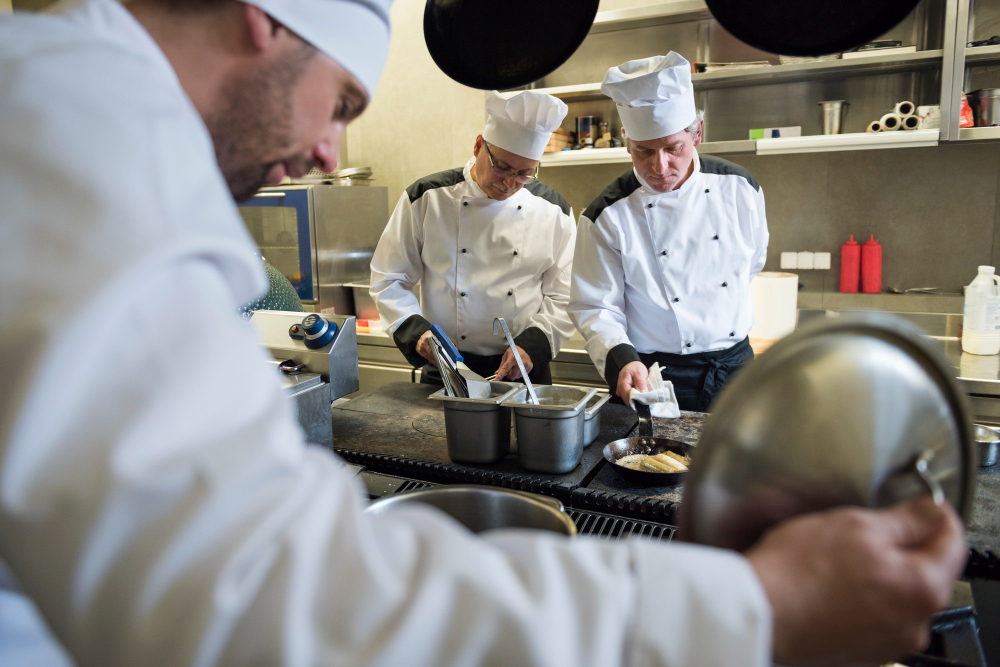
Conclusion: A multi-stage screening process—CV review, video interview, tasting trial (in-person or virtual), and reference checks—reduces mis-hire risk by validating technical skill, cultural fit, and realistic expectations before committing to visa sponsorship.
Once you have a shortlist of 3–5 candidates sourced through a specialist agency (or through your own network if you have Japan connections), the next step is rigorous screening. Hiring a Japanese chef typically involves a 6–12 month commitment (visa sponsorship, relocation costs, onboarding investment), so spending 3–4 weeks on thorough screening is time well spent.
Recommended screening flow
Washoku Agent recommends the following four-stage screening process for Japanese chef hiring:
- Stage 1: CV and portfolio review (1 week)
- Review translated CV, employment history, and culinary credentials (certifications, awards, notable restaurants worked).
- Request sample dish photos or menu examples from candidate’s current role (if permitted by employer confidentiality).
- Evaluate: Does the candidate’s experience align with your cuisine type and seniority need? Do they have counter experience if you are hiring for Omakase? Have they managed a team of the size you operate?
- Red flag: Frequent job changes (5+ employers in 5 years) without clear progression may indicate instability or interpersonal issues.
- Stage 2: Video interview with translator (if needed) (1–2 weeks)
- Schedule 60–90 minute video call (Zoom, Google Meet) with candidate. If candidate’s English is limited, use interpreter (Washoku Agent provides this service).
- Ask open-ended questions: “Walk me through your career progression.” “Describe your approach to seasonal menu planning.” “What are your long-term goals—do you want to open your own restaurant eventually?” “What concerns do you have about working abroad?”
- Assess: Communication style (even through translator, you can gauge enthusiasm, clarity, and professionalism), cultural fit (does the chef ask thoughtful questions about your restaurant, team, and city?), realistic expectations (does the chef understand that ingredient sourcing abroad may differ from Japan, that kitchen hierarchy may be flatter, that they may need to train non-Japanese staff?).
- Red flag: Candidate who has not researched your restaurant, who shows no curiosity about the city or visa process, or who makes demands without understanding market context (“I need USD 100,000 salary and 4 weeks paid vacation”).
- Stage 3: Tasting trial—in-person or virtual (2–3 weeks)
- In-person trial (ideal): If you have budget and timeline flexibility, invite the candidate to visit your city for a 2–3 day working trial. Cover airfare and accommodation. Have the candidate cook a sample menu, work a service, and interact with your team. This is the gold standard for evaluating technical skill, speed, palate, and team dynamics.
- Virtual trial (practical alternative): If in-person trial is not feasible (candidate cannot take extended leave, visa-free travel not available, cost prohibitive), conduct virtual tasting trial. Ask candidate to cook 3–4 dishes at home, film the process, and ship small samples (if feasible) or present via high-quality video. You assess knife technique, plating, mise en place, and creativity. We have seen several successful hires made via virtual trial during 2020–2022 when international travel was restricted.
- Evaluate: Technical skill (knife work, seasoning, presentation, consistency), creativity (does the chef adapt traditional techniques or propose interesting menu ideas?), speed and organization (can they execute under time pressure?), hygiene and professionalism.
- Red flag: Chef whose tasting trial quality does not match their CV claims, or who cannot explain their techniques clearly when asked.
- Stage 4: Reference checks (1 week)
- Contact 2–3 previous employers (with candidate’s permission) to verify employment dates, role, and performance. If candidate is currently employed, wait until offer is near-final to avoid jeopardizing their current job.
- Ask: “How would you describe [candidate’s] strengths and areas for growth?” “Did they work well with the team?” “Would you rehire them?” “Why did they leave?”
- Red flag: Previous employer hesitates, gives vague answers, or reveals undisclosed issues (e.g., “they had some conflicts with front-of-house staff” or “they left abruptly without proper notice”).
Watch-out: red flags in chef interviews
Based on 200+ placements, Washoku Agent has identified the following red flags that predict higher attrition or performance issues:
- Lack of curiosity about your restaurant: Candidate does not ask questions about your concept, team, or city. This suggests they are applying broadly without genuine interest in your specific opportunity.
- Unrealistic salary expectations disconnected from market: Candidate demands compensation 30–40% above market range without corresponding experience or credentials. This indicates poor research or inflated self-assessment.
- Frequent job changes without career progression: CV shows 6 jobs in 6 years, all at similar seniority (e.g., chef de partie at different izakayas). This pattern suggests inability to commit or interpersonal friction.
- No long-term plan: When asked “What do you hope to achieve in 3–5 years?”, candidate has no answer or says “I’ll see how it goes.” Successful international hires usually have clear goals (e.g., “gain Omakase experience to open my own restaurant in Japan,” “earn permanent residency and bring my family,” “work in Michelin-level kitchens”).
- Resistance to feedback during trial: During tasting trial, chef reacts defensively when you ask questions or suggest adjustments. This predicts future conflicts when menu or process changes are needed.
- Overemphasis on benefits without discussing contribution: Candidate spends most of interview asking about vacation days, housing, and work hours, but does not discuss what they can bring to your kitchen. Successful hires are excited to contribute first and ask logistics second.
- Q. Can we skip the tasting trial if the chef comes highly recommended?
- A. We strongly advise against skipping tasting trial unless you have personally worked with the chef before or have a trusted mutual connection who has observed their work extensively. Even highly experienced chefs have different styles, palates, and techniques—seeing them cook firsthand (in-person or virtual) prevents costly surprises. The investment of 2–3 days and USD 1,000–2,000 for an in-person trial is small compared to the cost of hiring the wrong chef and having to restart recruitment 6 months later.
Step 6: Manage the visa application and pre-arrival period
Conclusion: Visa processing takes 2–12 months depending on country and pathway; structured communication with the chef during this period, plus proactive pre-arrival planning (housing, ingredient sourcing, language support), prevents candidate drop-off and ensures smooth onboarding.
After you have selected a candidate, conducted screening, and extended an offer, the visa application and pre-arrival period begins. This phase is often the longest and most uncertain part of the recruitment process, and it is where many restaurants lose candidates due to poor communication or lack of preparation.
2–12 month timeline management
Visa processing timelines vary significantly by country, visa type, and current immigration authority workload. Based on Washoku Agent’s experience, here are reference timelines:
| Country | Visa Type | Typical Timeline | Key Variables |
|---|---|---|---|
| United Kingdom | Skilled Worker | 3–8 weeks (after CoS issued) | CoS issuance 1–3 weeks if sponsor license active; priority service available (faster, higher fee) |
| Canada | LMIA + Work Permit | 3–6 months total | LMIA 2–4 months; work permit 1–2 months; can be longer if LMIA requires advertising period or additional documentation |
| Australia | TSS (subclass 482) | 2–4 months | Nomination 1–2 months; visa 1–2 months; faster if employer already Standard Business Sponsor approved |
| New Zealand | AEWV | 2–4 months | Employer accreditation (if new) 2–4 weeks; job check 3–6 weeks; visa 4–8 weeks |
| United States | H-1B or other | 6–12 months+ | H-1B lottery April, start date October (if selected); EB-3 green card 2–5 years; highly variable |
| Singapore | Employment Pass | 3–8 weeks | Relatively fast if candidate meets salary and qualification criteria |
| UAE (Dubai) | Employment visa | 4–8 weeks | Straightforward process, requires medical and Emirates ID |
These timelines assume all documents are prepared correctly and submitted on time. Delays commonly occur due to:
- Incomplete or incorrect documentation (work certificates not translated, reference letters missing required details)
- Immigration authority requests for additional information (RFE—Request for Evidence—in US, or similar in other countries)
- Background check delays (police certificates, health exams)
- Peak processing periods (e.g., Canada LMIA processing slows during summer and December holidays)
Washoku Agent manages document preparation and timeline tracking for our placements, but if you are handling visa sponsorship independently, allow 20–30% buffer time beyond the typical timeline (e.g., if typical UK Skilled Worker visa is 6 weeks, plan for 8–9 weeks).
Pre-arrival: housing, ingredient sourcing, language prep, family relocation
During the 2–12 month waiting period, successful restaurants do not simply wait passively—they actively prepare for the chef’s arrival in four key areas:
- Housing search and setup:
- If you are providing company accommodation, secure it at least 4 weeks before arrival. Furnish with basics (bed, kitchenware, internet).
- If chef is finding their own housing, connect them with local real estate agents or relocation services. Provide guidance on neighborhoods, commute options, and rental market norms (e.g., in Toronto, first and last month’s rent is standard; in London, deposit is typically 5–6 weeks’ rent).
- Share practical information: how to open a bank account, obtain a local phone number, register for healthcare (if applicable), apply for social insurance/tax number.
- Ingredient sourcing and supplier onboarding:
- Japanese chefs expect access to specific ingredients. Before arrival, identify and onboard suppliers for: Japanese rice (koshihikari or similar), fresh fish (sashimi-grade tuna, salmon, hamachi, uni, ikura), kombu and katsuobushi (dashi ingredients), soy sauce and mirin (premium grades), sake and shochu (if serving), seasonal Japanese vegetables (shiso, myoga, Japanese eggplant), specialty items (yuzu, sudachi, kabosu, wasabi root).
- If some ingredients are unavailable locally, plan substitutions in advance and discuss with chef. For example, if fresh wasabi root is prohibitively expensive, agree to use high-quality wasabi paste as standard with fresh root for special occasions.
- Conduct supplier tasting session with chef in the first week to align on quality expectations.
- Language and cultural preparation:
- If chef’s English is limited, provide access to language learning resources (e.g., Duolingo, Babbel, or local ESL classes). Even basic conversational English (greetings, kitchen vocabulary, numbers, “please pass me the knife”) significantly improves onboarding.
- Share cultural onboarding materials: what to expect in the first month, local customs (tipping culture, punctuality norms, communication style), city guide (public transit, grocery stores, Japanese expat community resources).
- Introduce chef to any existing Japanese expat networks or community organizations in your city (e.g., Japan Society, Japanese Chamber of Commerce, local Japanese language meetups). This reduces isolation and helps with cultural adjustment.
- Family relocation logistics (if applicable):
- If chef is bringing spouse and children, coordinate dependent visa applications (typically processed simultaneously or shortly after primary visa).
- Help spouse research job opportunities or language classes. In many countries, dependent visa holders have work authorization (e.g., UK Skilled Worker dependents can work without restriction, Canada work permit spouse can apply for open work permit).
- Research schools for children (international schools, public schools with ESL support). Share enrollment timelines and costs.
- Provide family-friendly neighborhood recommendations and connect spouse with local expat parent groups.
Communication cadence with chef during waiting period
One of the most common reasons candidates withdraw during the visa waiting period is lack of communication. The chef is still working full-time in Japan, uncertain whether the visa will be approved, and may receive counter-offers or competing opportunities. Maintaining regular contact reassures the chef that you are committed and prevents cold feet.
Washoku Agent recommends the following communication cadence:
- Week 1 after offer acceptance: Send welcome email with detailed timeline, document checklist, and key contacts (your HR manager, immigration lawyer, Washoku Agent coordinator).
- Weeks 2–4: Weekly updates on visa application progress (“We submitted your documents to immigration this week; typical processing time is 6–8 weeks”).
- Months 2–3 (if longer timeline): Bi-weekly check-ins. Share updates about your restaurant (e.g., “We just finalized the new menu design and you’ll have input on the seasonal kaiseki courses”), city news relevant to the chef (e.g., “Cherry blossoms are blooming in High Park—great walking spot”), or practical preparation tips (e.g., “Start researching neighborhoods; here are three we recommend”).
- 4 weeks before arrival: Intensify communication to weekly. Confirm flight booking, housing move-in date, first day schedule. Share detailed onboarding plan (see next section).
- 1 week before arrival: Final checklist email (passport, visa documents, travel insurance, contact numbers, emergency contact, arrival day logistics).
Washoku Agent handles much of this communication for our placements, but if you are managing directly, assign one person (HR manager or owner) as the primary contact point to avoid confusion.
- Q. What if the chef receives a better offer while waiting for our visa approval?
- A. Candidate drop-off during visa processing is a real risk, especially in competitive markets (e.g., 10–15% of candidates in our experience receive counter-offers or competing opportunities during 3–6 month wait times). Mitigation strategies: (1) sign a formal offer letter with start date contingent on visa approval, which signals commitment on both sides; (2) maintain regular communication to keep the candidate engaged; (3) if feasible, offer a small signing bonus (e.g., USD 2,000–3,000) payable upon visa approval, which creates financial incentive to stay committed. If candidate does withdraw, a specialist agency will typically re-source a replacement at no additional fee (as Washoku Agent does).
Step 7: Onboard with a structured 3–6 month integration plan

Conclusion: A structured 3–6 month onboarding plan—covering kitchen orientation, ingredient familiarization, menu collaboration, team integration, and mid-term performance review—dramatically reduces attrition and accelerates the chef’s contribution to your restaurant’s success.
The chef has arrived, visa in hand, ready to start work. Many restaurants make the mistake of assuming that an experienced chef can simply “jump in” and perform at full capacity immediately. In reality, even a 15-year veteran needs time to adapt to new ingredients, new team dynamics, new equipment, and a new cultural environment. Structured onboarding is the difference between a chef who thrives and a chef who feels overwhelmed and considers returning to Japan after 6 months.
Week 1–4: Kitchen orientation, ingredient familiarization, team integration
The first month is about orientation and relationship-building, not immediate performance pressure. Washoku Agent recommends the following week-by-week plan:
Week 1: Welcome, logistics, and observation
- Day 1: Arrival day logistics (airport pickup if possible, move into housing, rest). No work pressure.
- Day 2: Restaurant tour, meet the team (kitchen and front-of-house), HR paperwork (tax forms, bank account setup, work contract signing). Explain restaurant history, concept, values, and long-term vision.
- Day 3–5: Kitchen observation. Chef shadows existing kitchen team through prep and service without cooking. Goals: understand workflow, equipment (ovens, grills, knives, dishwasher), storage layout, ingredient inventory system, daily rhythm (what time does prep start, when does service begin, how is closing handled).
- Day 6–7: Ingredient familiarization. Visit your key suppliers (fish market, produce supplier, dry goods distributor) with chef. Taste and assess quality together. Discuss any ingredient substitutions or limitations (e.g., “We use Norwegian salmon instead of Japanese sake because Scottish salmon is fresher here; let’s taste both and decide”).
Week 2: Hands-on participation and skill assessment
- Chef begins working stations (e.g., fish prep, rice cooking, appetizer plating) under supervision of head chef or sous chef (if chef is joining as sous or specialist).
- Observe knife skills, speed, seasoning palate, and communication with team.
- Conduct informal mid-week check-in: “How are you feeling? Any questions about ingredients or equipment? Any challenges with language or team communication?”
- If chef is head chef, begin discussing menu ideas and seasonal planning (but do not expect finalized menus yet).
Week 3: Menu collaboration and trial dishes
- If chef has menu autonomy, ask them to propose 3–5 new dishes or adjustments to existing menu. Conduct tasting session with owner, manager, and key front-of-house staff.
- Provide feedback constructively. Remember that Japanese chefs are trained in hierarchical kitchens and may be sensitive to direct criticism—frame feedback as “Let’s refine this together” rather than “This is wrong.”
- Begin soft-launching new dishes as daily specials to gauge guest response before committing to permanent menu placement.
Week 4: Team integration and communication norms
- Facilitate team-building activity (staff meal cooked together, post-service drink, weekend outing). This is especially important if the chef is the only Japanese person on the team and may feel culturally isolated.
- Clarify communication norms: how to give feedback to team members (direct vs. indirect), how to handle mistakes (in Japan, public reprimand is rare; in Western kitchens, direct correction is common), how to escalate issues (who does chef report to, and how often).
- Establish weekly one-on-one check-in between chef and owner/manager (30 minutes, structured agenda: progress, challenges, upcoming goals).
Month 2–3: Menu adjustment input, mid-term review
By the end of month 1, the chef should be contributing actively to daily operations. Months 2–3 focus on refining menu, building guest relationships (if counter-style), and solidifying team dynamics.
Month 2 goals:
- Menu finalization: Finalize seasonal menu (or Omakase flow) based on ingredient availability and guest feedback from trial period. Print new menus, train front-of-house on pronunciation and descriptions.
- Guest interaction (if applicable): If chef is counter-style (Omakase, teppanyaki), they should now be engaging directly with guests. Provide language support if needed (e.g., server introduces dishes in English, chef adds brief comments). Encourage chef to learn 5–10 key phrases: “Welcome, how are you tonight?” “This is [fish name] from [location], very fresh today.” “Enjoy your meal.” “Thank you for coming.”
- Supplier relationship handoff: Introduce chef to suppliers as the primary contact for ingredient orders and quality feedback. This empowers the chef and ensures consistent quality.
- Kitchen efficiency improvements: Chef may identify workflow improvements (e.g., rearranging mise en place, adjusting prep timing, streamlining plating). Encourage these suggestions and implement where feasible.
Month 3 mid-term review (formal sit-down, 60–90 minutes):
- Assess: Technical performance (quality, consistency, speed), menu contribution (creativity, guest feedback), team collaboration (communication with cooks, front-of-house, management), cultural adjustment (housing, language, social integration).
- Ask: “What has exceeded your expectations? What has been more challenging than expected? What support do you need from us to succeed long-term?”
- Discuss: Long-term goals (permanent residency pathway, family relocation timeline, potential for future ownership stake or partnership, opportunities for professional development—e.g., stages at other restaurants, culinary competitions, media appearances).
- Set: Clear 6-month goals (e.g., “By month 6, you will have full autonomy over seasonal menu changes and supplier negotiations” or “By month 6, we aim to achieve [X guest reviews praising your Omakase experience]”).
Month 4–6: Full ownership transfer, long-term retention check
By month 4, the chef should be operating at near-full capacity. Months 4–6 focus on transferring ownership, preparing for long-term success, and addressing any lingering friction.
Month 4–5 goals:
- Full menu autonomy: If chef is head chef, they should now have authority to change menu seasonally without requiring approval for every dish (set budget parameters and guest feedback review process, but trust their judgment).
- Training and delegation: Chef should be training junior cooks or commis chefs in specific techniques (e.g., fish butchery, rice cooking, knife skills). This builds team capacity and gives the chef leadership experience.
- Guest relationship building: For counter-style chefs, month 4–5 is when regular guests start to form. Encourage chef to remember guest preferences, dietary restrictions, and return visit patterns. This personal touch is a key differentiator for high-end Japanese dining.
- Media and community presence: If appropriate for your market, arrange for chef to participate in local food events, cooking demonstrations, or media interviews (with interpreter if needed). This raises the restaurant’s profile and gives the chef a sense of professional recognition.
Month 6 performance and retention review (formal):
- Assess: Overall performance, guest satisfaction (review scores, repeat guest rate, media coverage), team dynamics, financial performance (food cost, waste, speed of service).
- Discuss: Permanent residency pathway (if applicable—e.g., in Canada, chef can now apply for Express Entry with 1 year of experience; in Australia, nomination for ENS subclass 186 after 3 years). Knowing the PR pathway is on track is a major retention factor.
- Negotiate: Salary review (if performance exceeds expectations, consider 5–10% raise or bonus to reinforce retention). Discuss any outstanding issues (housing upgrade, family relocation support, additional vacation time).
- Plan: Year 2 goals. What does success look like in year 2? Menu expansion? Training new sous chef? Opening second location? Michelin star pursuit? Clarify shared vision.
- Q. What if the chef is struggling after 3 months—should we consider termination or give more time?
- A. Struggles at 3 months are common and usually addressable if identified early. First, diagnose the root cause: Is it technical skill (e.g., unfamiliar ingredients, equipment)? Communication (language barrier, cultural misunderstanding)? Team friction (personality clash, unclear hierarchy)? Homesickness or family stress? Washoku Agent recommends a candid conversation with the chef, ideally with a cultural mediator (us, if we placed the chef). Often, targeted support (e.g., ingredient substitution training, language tutor, team mediation, spouse job search assistance) resolves the issue. Termination should be last resort after 6+ months of documented performance issues and repeated support attempts—not a snap decision at 3 months.
Seven-step recruiter playbook at a glance (summary table)
Conclusion: This summary table distills the 7-step recruiter playbook into actionable rows—bookmark it for quick reference during your hiring process, or share it with your team to align on timeline and responsibilities.
| Step | What to Do | Timeline | Critical Success Factor |
|---|---|---|---|
| 1. Define concept | Clarify cuisine type (sushi/kaiseki/izakaya), service style (counter/production), seniority (head/sous/specialist), covers per day, team size | 1 week | Specificity—vague job descriptions attract unqualified candidates |
| 2. Set compensation | Research market salary ranges, budget for base + housing + relocation + retention, confirm total first-year cost | 1 week | Market alignment—underbidding by 15% = zero qualified applicants |
| 3. Choose visa | Identify correct pathway (skilled worker/LMIA/TSS/AEWV), confirm salary threshold, check sponsor license status, assess PR pathway | 1 week (research) | Early clarity—choosing wrong pathway wastes 2–4 months |
| 4. Partner with specialist agency | Engage Japan-focused recruiter with candidate pipeline, cultural translation, visa support, post-placement follow-up | 1 week (onboarding) | Access to Japan-based candidates—general recruiters lack this network |
| 5. Multi-stage screening | CV review → video interview (with translator) → tasting trial (in-person or virtual) → reference checks | 3–4 weeks | Rigorous screening—skipping tasting trial = 30% mis-hire risk |
| 6. Manage visa + pre-arrival | Submit visa application, maintain bi-weekly communication with chef, prepare housing + suppliers + language support, coordinate family relocation if applicable | 2–12 months (varies by country) | Communication cadence—chef drop-off risk highest during long wait times |
| 7. Structured onboarding | Week 1-4: orientation + ingredient familiarization. Month 2-3: menu collaboration + mid-term review. Month 4-6: full ownership + retention review | 3–6 months | Structured support—unstructured onboarding = 40% attrition by month 6 |
This table is designed to be shared with your management team, HR staff, or ownership group to ensure everyone understands the timeline, responsibilities, and success criteria for each step. Print it, pin it to your office wall, or include it in your hiring playbook documentation.
- Q. Can we compress this timeline—for example, complete Steps 1–7 in 2 months instead of 4–6 months?
- A. Compressing timeline is possible in fast-track scenarios (e.g., UK Skilled Worker visa with priority service + existing sponsor license + candidate immediately available), but typical timeline is 4–8 months from “we need to hire” to “chef starts work.” Attempting to compress below 3 months usually creates problems: insufficient candidate screening, visa application errors, rushed onboarding that leads to early attrition. If you have an urgent opening (e.g., opening in 2 months), be prepared to offer premium compensation or consider temporary solutions (e.g., interim consultant chef) while you hire properly.
Common pitfalls and how to avoid them
Conclusion: Most Japanese chef hiring failures stem from six predictable pitfalls—underbidding compensation, choosing the wrong visa, skipping cultural screening, poor communication during visa wait, unstructured onboarding, and ignoring permanent residency pathways—all of which are preventable with the strategies outlined below.
Washoku Agent has observed recurring failure patterns across 26 countries and 200+ placements. Here are the six most common pitfalls, with specific examples and mitigation strategies:
Pitfall 1: Underbidding compensation by 10–20% to “test the market”
What happens: Restaurant posts a salary 15% below market rate, hoping to attract a candidate willing to accept lower pay. The posting generates zero qualified applicants over 60 days. Restaurant then raises the offer by 20%, but by this time, best candidates have accepted other roles. Time-to-hire extends from 4 months to 8 months, delaying opening or forcing interim hiring of less-qualified chefs.
Example: A Toronto kaiseki restaurant offers CAD 50,000/year for a head chef with 12 years of experience (market rate CAD 68,000–75,000). After 90 days of no applicants, they raise to CAD 72,000, but the three chefs who had initially expressed interest have already accepted offers in Vancouver and Melbourne.
How to avoid: Conduct confidential salary benchmarking with a specialist agency before posting. Washoku Agent provides market calibration at no cost during initial consultation—we tell you if your proposed range will attract candidates in your city, saving you 60–90 days of wasted recruiting time.
Pitfall 2: Choosing the wrong visa pathway or assuming “we’ll figure it out later”
What happens: Restaurant hires a chef without confirming visa eligibility. After offer acceptance, they discover the chef does not meet minimum experience threshold (e.g., Canada LMIA requires “several years” of professional cooking, but candidate has only 3 years), or the restaurant does not hold the required sponsor license (e.g., UK Skilled Worker requires licensed sponsor, which takes 8–12 weeks to obtain). Visa application is delayed or refused, and chef withdraws.
Example: A London izakaya hires a 26-year-old chef with 5 years of experience at JPY 3.8M/year (approximately GBP 22,000). They assume UK Skilled Worker visa applies, but discover the salary does not meet GBP 38,700 threshold for their occupational code. They cannot proceed with visa application and must restart recruitment.
How to avoid: Confirm visa pathway before making an offer. Ask the candidate’s current salary, years of experience, and role level. Cross-check against visa requirements (salary threshold, skill level, sponsor license). If in doubt, consult an immigration lawyer or specialist agency. Budget 1 week for visa pathway research at the start of recruitment, not after offer acceptance.
Pitfall 3: Skipping cultural fit screening to “save time”
What happens: Restaurant hires based on CV and one video interview, skipping tasting trial or in-depth cultural screening. Chef arrives, struggles with language, feels isolated, clashes with kitchen team (e.g., expects daily staff meal but restaurant does not provide it; expects hierarchical communication but restaurant culture is flat and direct). Chef leaves after 5–7 months, citing “cultural mismatch.” Restaurant has spent USD 8,000–12,000 in visa and relocation costs and must restart recruitment.
Example: A Melbourne Omakase counter hires a 38-year-old Tokyo sushi chef with 14 years of experience. CV is excellent, video interview is polite. Chef arrives, but within 2 months, tensions emerge: chef expects kitchen team to address him as “chef-san” and follow strict hierarchy, but Australian team culture is casual and egalitarian. Chef also expects weekly fish delivery from Sydney fish market (2 hours away), but restaurant uses local supplier. After 6 months, chef resigns and returns to Japan.
How to avoid: Invest in multi-stage screening (see Step 5). Conduct tasting trial (in-person or virtual) to assess technical skill and cultural fit. Ask open-ended questions during interview: “What are your expectations for kitchen hierarchy and communication?” “What concerns do you have about working abroad?” “What support do you need to succeed long-term?” Use a specialist agency to translate not just language but cultural expectations.
Pitfall 4: Poor communication during 2–12 month visa wait
What happens: Restaurant submits visa application and then goes silent for 4–6 months. Chef receives no updates, begins to doubt the opportunity, and when a competing restaurant offers a faster timeline or counter-offer from current employer arrives, chef withdraws. Restaurant is back to square one after 5 months of waiting.
Example: A Dubai Japanese fusion restaurant sponsors a chef on Employment visa (typical processing time 6 weeks). Restaurant sends one email at week 1 (“application submitted”) and then no communication for 5 weeks. During week 4, chef’s current Tokyo employer offers promotion and JPY 5.5M/year (USD 38,000) to stay. Chef accepts counter-offer because Dubai restaurant’s silence made them feel unvalued. Dubai restaurant learns of withdrawal the day before visa approval.
How to avoid: Maintain bi-weekly communication during visa processing (see Step 6). Send updates even if there is no news (“No updates this week, but we are on track for 8-week timeline; in the meantime, here are three housing options we are researching for you”). Share restaurant progress, city information, onboarding timeline. Keep the chef engaged and excited. If using a specialist agency, ensure they have a structured candidate communication protocol (Washoku Agent does monthly check-ins during visa wait).
Pitfall 5: Unstructured onboarding—”You’re experienced, just jump in”
What happens: Chef arrives, is given uniform and station assignment on day 1, and expected to perform at full capacity immediately. No kitchen orientation, no ingredient tasting, no cultural onboarding. Chef feels overwhelmed, makes mistakes due to unfamiliar ingredients or equipment, receives direct criticism that feels harsh (compared to Japanese indirect feedback culture), and becomes demoralized. By month 3, chef is actively looking for return flight to Japan. By month 6, they resign.
Example: A Sydney teppanyaki restaurant hires a 31-year-old chef with 9 years of experience. Chef arrives on Monday, works first service on Tuesday. No orientation, no supplier introduction, no menu tasting. Chef uses wrong grade of soy sauce (expects koikuchi, restaurant stocks usukuchi), oversalts a dish, and is publicly corrected by head chef in front of team. Chef feels humiliated, loses confidence, and after 4 months, tells Washoku Agent “I want to go home—this is not what I expected.”
How to avoid: Implement structured 3–6 month onboarding plan (see Step 7). Allow 1–2 weeks of observation and orientation before expecting full performance. Assign a buddy (existing team member who checks in daily). Provide cultural onboarding materials. Conduct weekly check-ins for first 3 months. Give constructive feedback privately and respectfully. Celebrate small wins (e.g., “Your nigiri plating today was excellent—guests are noticing”). Treat onboarding as an investment, not overhead.
Pitfall 6: Ignoring permanent residency pathway until year 2 or 3
What happens: Restaurant hires chef on temporary work visa with no discussion of permanent residency. Chef performs well for 2–3 years, but as visa renewal approaches, chef realizes there is no clear path to PR and begins looking for opportunities in countries with better pathways (e.g., moving from UK to Canada for Express Entry PR, or from Singapore to Australia for ENS pathway). Restaurant loses experienced chef after investing 2–3 years of training and integration, and must restart recruitment.
Example: A Paris kaiseki restaurant hires a 34-year-old chef on French Talent Passport visa (renewable, but no automatic PR pathway). After 3 years, chef applies for Canada Express Entry PR (encouraged by friends in Toronto) and receives Invitation to Apply within 6 months. Chef gives 2 months’ notice and relocates to Toronto. Paris restaurant loses their head chef and must spend 6 months recruiting and training a replacement.
How to avoid: Discuss permanent residency pathway during offer negotiation (see Step 3 and Step 8). If your country offers PR pathway (Canada, Australia, New Zealand, UK), commit to supporting the chef’s PR application as part of long-term retention strategy. If your country does not offer PR pathway (most of EU, Singapore, UAE, Japan itself), acknowledge this honestly and structure compensation or contract terms accordingly (e.g., higher salary, shorter 2–3 year contracts with renewal bonuses). Do not promise PR if the pathway is uncertain—this damages trust and leads to attrition when chef discovers the reality.
- Q. Are there red flags that predict attrition risk during the first 6 months?
- A. Yes—Washoku Agent tracks attrition predictors. High-risk indicators at 3 months: chef reports feeling isolated (no friends, no Japanese community connection), chef frequently mentions “this is different from Japan” in negative tone, chef misses 2+ weekly check-ins without explanation, chef requests additional time off within first 90 days, or restaurant skips scheduled performance review. If you see 2+ of these signals, escalate support immediately (introduce chef to expat community, schedule team-building activity, conduct candid “how can we help?” conversation). Early intervention reduces 6-month attrition by 50–70% in our experience.
Anonymous case studies—restaurants that followed this playbook
Conclusion: These anonymized case studies show how real restaurants applied the 7-step playbook to achieve 3–5 year retention, positive guest reviews, menu innovation, and long-term chef satisfaction—proof that structured recruitment works.
Below are three real placements facilitated by Washoku Agent (restaurant and chef names anonymized to protect client confidentiality). Each case maps back to the 7-step playbook and highlights key decisions that contributed to success.
Case Study A: Toronto kaiseki restaurant—4-year retention and Michelin Guide mention
Context: Independent fine-dining restaurant opening seasonal kaiseki concept in downtown Toronto (2020). Owners had Italian and French culinary backgrounds but no Japanese cuisine experience. Needed head chef with full menu autonomy.
Playbook application:
- Step 1 (Define concept): Owners clarified they wanted 12-course seasonal kaiseki, 30 covers per night, chef as solo operator with 2 commis. Required 12+ years experience, kaiseki training, English conversational ability.
- Step 2 (Set compensation): Market research indicated CAD 68,000–75,000 for Toronto head chef. Owners offered CAD 72,000 + CAD 1,200/month housing allowance (12 months) + CAD 4,000 retention bonus at 12 months. Total first-year value CAD 90,400 (USD 67,000).
- Step 3 (Choose visa): Canada LMIA for NOC 6321 Chefs. LMIA approval took 4 months (fall 2020, COVID processing delays). Work permit approved in 6 weeks. Total timeline 5.5 months.
- Step 4 (Partner with agency): Washoku Agent sourced 5 candidates in Japan, conducted Japanese-language screening, presented 3 finalists.
- Step 5 (Multi-stage screening): Owners conducted 2 video interviews (with Washoku Agent interpretation), selected chef A (34 years old, 13 years experience at Kyoto ryotei). Virtual tasting trial: chef cooked 4 dishes at home in Kyoto, filmed process, shipped photos. Owners were impressed by plating precision and seasonal ingredient knowledge. Reference check confirmed strong performance and leadership.
- Step 6 (Manage visa + pre-arrival): During 5-month wait, owners sent bi-weekly emails with Toronto housing research, supplier introductions (arranged video calls with fish and produce vendors), and cultural onboarding materials. Chef felt engaged and excited.
- Step 7 (Structured onboarding): Week 1: orientation + supplier visits. Week 2–4: chef designed inaugural 12-course menu with owner input. Month 2: soft opening, menu refinement based on guest feedback. Month 3: full public opening. Month 6: performance review, CAD 4,000 retention bonus paid. Chef expressed satisfaction with autonomy and ingredient quality.
Outcome (4 years later, 2024): Chef is still with the restaurant (4+ years retention). Restaurant received Michelin Guide mention in 2023 (no star, but “recommended”). Chef has trained 3 Canadian commis chefs in Japanese techniques. Owners credit the structured hiring process and ongoing support (monthly check-ins with Washoku Agent for first year) as key to retention. Chef applied for Canadian permanent residency via Express Entry in 2022 and received PR status in 2023. Now settled in Toronto with spouse (who works in tech), planning to stay long-term and potentially open own restaurant in 5–7 years.
Case Study B: Melbourne robatayaki restaurant—chef became partner after 3 years
Context: Casual robatayaki and izakaya concept in Melbourne CBD (2019). Owners were Australian hospitality entrepreneurs with no Japanese cuisine experience. Needed head chef to design menu and lead 4-person kitchen.
Playbook application:
- Step 1 (Define concept): Owners wanted modern robatayaki with Australian ingredients, 60–80 covers per night, chef with creativity and team leadership. Required 8+ years experience, robatayaki or izakaya background, open to non-traditional ingredients.
- Step 2 (Set compensation): Market rate AUD 65,000–75,000. Owners offered AUD 72,000 + company-provided studio apartment (12 months, value AUD 18,000) + AUD 3,000 signing bonus. Total first-year value AUD 93,000 (approximately USD 62,000).
- Step 3 (Choose visa): Australia TSS visa (subclass 482) on MLTSSL. Nomination and visa processing took 3.5 months. Visa approved for 4 years with pathway to permanent residency (ENS subclass 186) after 3 years.
- Step 4 (Partner with agency): Washoku Agent sourced candidates in Osaka and Tokyo, presented 4 finalists.
- Step 5 (Multi-stage screening): Owners invited finalist chef B (29 years old, 8 years experience at Tokyo robatayaki and izakaya) to Melbourne for 3-day working trial (paid airfare and hotel). Chef cooked trial menu (6 skewers, 3 appetizers), worked Friday night service, and impressed with speed, creativity (proposed Australian native fish on robata), and team rapport. Owners made offer on the spot.
- Step 6 (Manage visa + pre-arrival): Weekly updates during 3.5-month visa wait. Owners arranged apartment lease, set up kitchen with Japanese-spec robata grill imported from Japan, and introduced chef to Japanese expat community in Melbourne via video intro.
- Step 7 (Structured onboarding): Week 1–2: orientation, supplier visits (Melbourne fish market, local farms). Week 3–4: menu design collaboration. Month 2: soft opening, menu refinement. Month 3: full launch. Month 6: performance review, chef exceeded expectations on creativity and guest feedback (4.8/5 average review score). Owners offered AUD 5,000 performance bonus.
Outcome (5 years later, 2024): Chef worked for 3 years on TSS visa, then applied for ENS permanent residency (subclass 186) sponsored by restaurant. PR granted in 2023. In 2024, owners offered chef 20% equity partnership in the restaurant in exchange for long-term commitment and potential expansion leadership (opening second location). Chef accepted and is now co-owner. This case illustrates the power of clear PR pathway + structured onboarding + recognition of contribution.
Case Study C: London Omakase counter—chef stayed 5 years and opened own restaurant
Context: High-end Omakase counter in central London, 10 seats, 2 seatings per night (2018). Owners were Japanese expatriates living in UK. Needed head sushi chef with edomae training and English ability for guest interaction.
Playbook application:
- Step 1 (Define concept): Traditional edomae sushi, 10-seat counter, 2 seatings (20 guests/night), chef as solo itamae with 1 assistant. Required 12+ years experience, Tokyo-style apprenticeship, English conversational ability (CEFR B1 minimum), guest interaction skills.
- Step 2 (Set compensation): Market rate GBP 40,000–50,000 for London head sushi chef. Owners offered GBP 48,000 + GBP 800/month housing allowance (12 months) + GBP 5,000 signing bonus + GBP 5,000 retention bonus at 18 months. Total first-year value GBP 62,600 (approximately USD 78,000 at 2018 rates).
- Step 3 (Choose visa): UK Tier 2 General (predecessor to current Skilled Worker visa). Sponsor license already held by owners’ management company. CoS issued in 2 weeks, visa approved in 5 weeks. Total timeline 7 weeks (unusually fast).
- Step 4 (Partner with agency): Washoku Agent sourced candidates in Tokyo sushi scene, presented 3 finalists all with 12+ years experience and English study.
- Step 5 (Multi-stage screening): Owners flew to Tokyo for in-person interviews and tasting trials at 2 candidates’ current restaurants (with permission). Selected chef C (36 years old, 14 years at Ginza edomae sushi-ya, CEFR B1 English from 2 years of evening classes). Tasting trial showed excellent knife work, rice consistency, and warm guest interaction style.
- Step 6 (Manage visa + pre-arrival): Fast 7-week timeline meant limited pre-arrival period. Owners sent detailed London guide, arranged apartment viewing via video, and introduced chef to UK Japanese Chamber of Commerce.
- Step 7 (Structured onboarding): Week 1: orientation, supplier visits (Billingsgate fish market, Japanese supermarket in central London). Week 2–3: menu design, trial seatings with friends. Month 1: soft opening. Month 2–3: full launch, guest feedback excellent (many repeat guests praising chef’s omakase storytelling). Month 6: performance review, chef exceeded expectations. Owners paid GBP 5,000 signing bonus as promised. Month 18: paid GBP 5,000 retention bonus.
Outcome (5 years later, 2023): Chef worked for 5 years (2018–2023), built strong guest following, and became a recognized name in London sushi scene. In 2023, chef applied for UK Indefinite Leave to Remain (ILR) and was approved. Shortly after, chef announced intention to open own 8-seat Omakase counter in East London. Owners supported the decision (no non-compete clause) and even invested as minority partner in chef’s new restaurant. Chef’s new restaurant opened in late 2023 and is fully booked 2 months in advance. This case shows that even when a chef eventually leaves to open their own place, a positive structured hiring and onboarding process creates long-term professional relationships and goodwill.
- Q. Can we replicate these success stories if we are a smaller restaurant with limited budget?
- A. Yes—the playbook scales to different restaurant sizes and budgets. Case Study B (Melbourne robatayaki) was a mid-tier casual restaurant, not fine dining. The key success factors (clear concept, market-aligned compensation, structured screening, ongoing communication, supportive onboarding) do not require large budgets—they require clarity, commitment, and consistent follow-through. Even a 30-seat izakaya can hire successfully by following these steps, adjusting compensation to match local market and seniority level (e.g., sous chef instead of head chef, AUD 55,000 instead of AUD 72,000).
Quick checklist—recruiter playbook self-assessment
Conclusion: Use this yes/no checklist to audit your readiness before starting recruitment—completing all checklist items dramatically increases your odds of successful hire and long-term retention.
Before you begin recruiting a Japanese chef, use this self-assessment checklist to confirm you have completed foundational preparation. For each item, answer Yes or No. If you answer No to 3 or more items, pause recruitment and address gaps first—otherwise you risk wasting 2–4 months on a process that fails.
Step 1: Concept Definition
- ☐ Yes / No: We have clearly defined our cuisine type (sushi / kaiseki / izakaya / robatayaki / teppanyaki / fusion).
- ☐ Yes / No: We have specified service style (counter-style with guest interaction / production kitchen / hybrid).
- ☐ Yes / No: We have defined chef seniority level (head chef / sous chef / chef de partie / specialist) and team size (solo / 2–3 / 4–6 / 7+).
- ☐ Yes / No: We have estimated daily covers per service (30–50 / 50–80 / 80–120 / 120+).
- ☐ Yes / No: We have written a detailed job description including responsibilities, menu autonomy, and required experience years.
Step 2: Compensation Budget
- ☐ Yes / No: We have researched market salary ranges for our city and chef seniority level.
- ☐ Yes / No: We have budgeted for total first-year cost (base salary + housing support + relocation + signing bonus + retention bonus).
- ☐ Yes / No: Our proposed salary meets or exceeds the 50th percentile market rate (we are not underbidding by more than 5%).
- ☐ Yes / No: We have allocated budget for visa and legal fees (USD 2,000–8,000 depending on country).
- ☐ Yes / No: We have discussed housing support (company accommodation or monthly allowance) and confirmed feasibility.
Step 3: Visa Pathway
- ☐ Yes / No: We have identified the correct visa category for our country (Skilled Worker / LMIA / TSS / AEWV / etc.).
- ☐ Yes / No: We have confirmed our proposed salary meets the minimum threshold for the visa category.
- ☐ Yes / No: We have confirmed our chef’s expected experience level meets the skill/seniority requirement for the visa category.
- ☐ Yes / No: We hold (or are in process of obtaining) the required employer sponsor license.
- ☐ Yes / No: We understand the permanent residency pathway (if any) and have discussed it as part of our retention strategy.
Step 4: Specialist Agency Partnership
- ☐ Yes / No: We have engaged (or plan to engage) a Japan-focused culinary recruiter with candidate pipeline in Japan.
- ☐ Yes / No: We understand the agency fee structure (typically 20–25% of first-year salary, paid upon successful placement).
- ☐ Yes / No: The agency provides bilingual screening, cultural translation, visa support, and post-placement follow-up.
- ☐ Yes / No: If hiring directly (without agency), we have access to Japan-based candidate networks or Japanese-language job boards.
- ☐ Yes / No: We have confirmed the agency (or our internal team) can provide interpreter services for video interviews if needed.
Step 5: Multi-Stage Screening
- ☐ Yes / No: We have committed to a 4-stage screening process (CV review → video interview → tasting trial → reference checks).
- ☐ Yes / No: We have budget and timeline flexibility for in-person tasting trial (or have planned virtual trial alternative).
- ☐ Yes / No: We have prepared interview questions that assess cultural fit, communication style, and long-term goals (not just technical skills).
- ☐ Yes / No: We have identified red flags we will watch for (unrealistic salary expectations, frequent job changes, lack of curiosity, resistance to feedback).
- ☐ Yes / No: We have a plan for conducting reference checks (including questions about teamwork, performance, and reasons for leaving previous roles).
Step 6: Visa Management and Pre-Arrival
- ☐ Yes / No: We have assigned one person (HR manager / owner / agency coordinator) as primary contact for visa communication.
- ☐ Yes / No: We have committed to bi-weekly communication with chef during 2–12 month visa wait.
- ☐ Yes / No: We have prepared a housing search plan (company accommodation or local real estate agent referrals).
- ☐ Yes / No: We have identified and onboarded key ingredient suppliers (Japanese rice, fish, dashi ingredients, sake) before chef arrives.
- ☐ Yes / No: We have prepared cultural onboarding materials (city guide, kitchen culture overview, practical logistics like bank account and phone setup).
Step 7: Structured Onboarding
- ☐ Yes / No: We have drafted a 3–6 month onboarding plan with week-by-week milestones.
- ☐ Yes / No: We have allocated 1–2 weeks for orientation and observation (not expecting immediate full performance).
- ☐ Yes / No: We have scheduled monthly performance check-ins for the first 6 months.
- ☐ Yes / No: We have identified a buddy or mentor on the existing team to support the chef’s cultural integration.
- ☐ Yes / No: We have planned a formal 6-month performance review that includes discussion of long-term goals and permanent residency pathway.
Scoring your readiness
- 35–40 Yes: Excellent preparation—you are ready to begin recruitment with high confidence of success.
- 28–34 Yes: Good preparation—address remaining gaps (especially any No in Steps 1–3) before posting job or engaging agency.
- 20–27 Yes: Moderate preparation—significant gaps remain. Spend 2–3 weeks completing missing items, or risk recruitment delays and mis-hire.
- Below 20 Yes: Insufficient preparation—do not begin recruitment yet. Focus on foundational steps (concept clarity, budget alignment, visa research) first.
- Q. Can we start recruitment even if we score below 30 Yes on this checklist?
- A. Technically yes, but our experience shows that restaurants scoring below 28 Yes face 50–70% higher risk of recruitment failure (no qualified candidates, visa refusal, or early attrition). Investing 2–3 weeks to close gaps (especially in Steps 1–3: concept, compensation, visa) before starting recruitment saves 3–6 months of wasted time and prevents costly false starts. If you are uncertain about any checklist item, schedule a consultation with Washoku Agent or a similar specialist agency—we can help you close gaps quickly.
Frequently Asked Questions (FAQ)
- Q. How early should we start the recruitment process before our target opening date or hire date?
- A. Start recruitment 6–9 months before your target hire date. Typical timeline: 2–4 weeks candidate sourcing and screening, 2–12 months visa processing (varies by country—UK 2–3 months, Canada 4–6 months, Australia 3–4 months, US 6–12 months), plus 2–4 weeks pre-arrival preparation. For example, if you want a chef to start work in September, begin recruitment no later than March (6 months prior for fast-track countries) or January (9 months prior for slower processing countries like Canada or US). Starting too late forces rushed decisions and increases mis-hire risk.
- Q. What if our restaurant cuisine is not strictly traditional Japanese—can we still hire a Japanese chef successfully?
- A. Absolutely—many Japanese chefs work successfully in fusion, modern, or creative concepts. Key success factors: (1) Be transparent about your concept during recruitment (share menu examples, photos, concept description). (2) Screen for chefs who express openness to creative adaptation (ask: “How do you feel about incorporating non-Japanese ingredients or techniques?”). (3) Clarify boundaries (e.g., “We want Japanese technique and precision, but menu will include Australian native fish and indigenous ingredients—are you excited by that challenge?”). Washoku Agent has successfully placed chefs in Nikkei (Japanese-Peruvian), Japanese-French fusion, modern izakaya, and Japanese-Italian hybrid concepts. The chef must genuinely embrace your vision—forcing a traditionalist into a fusion kitchen creates friction.
- Q. Can we hire a Japanese chef if we have never hosted international chefs before and have no prior visa sponsorship experience?
- A. Yes, but expect a steeper learning curve. First-time sponsors face additional steps: applying for employer sponsor license (1–3 months depending on country), learning visa documentation requirements, and navigating immigration authority communication. Mitigation strategies: (1) Engage an immigration lawyer who specializes in chef/hospitality visas (budget USD 2,000–5,000 for legal fees). (2) Partner with a specialist agency like Washoku Agent who can guide you through the sponsorship process step-by-step. (3) Allow extra timeline buffer (add 2–3 months to typical visa processing estimates). Many of our most successful placements are with first-time sponsors who commit to learning the process properly. We provide sponsor license application support as part of our service.
- Q. What happens if the visa application is denied after we have invested time and money in recruitment?
- A. Visa refusal is rare when candidates are properly pre-screened (in our 200+ placements, refusal rate is under 5%), but it does happen—usually due to documentation errors, salary below threshold, or immigration authority policy changes. If refusal occurs: (1) Determine the reason (request detailed refusal explanation from immigration authority). (2) Assess if issue is fixable (e.g., resubmit with corrected documents, raise salary to meet new threshold). (3) If not fixable, engage your specialist agency to re-source a replacement candidate. Washoku Agent’s standard policy: if visa is refused due to our error in pre-screening (not due to client misrepresentation or policy change), we replace the candidate at no additional placement fee. Always build 4–8 weeks of timeline buffer into your opening schedule to account for potential visa delays or appeals.
- Q. What is the typical cost of working with Washoku Agent, and when do we pay?
- A. Our placement fee is 20–25% of the chef’s first-year gross salary, paid upon successful visa approval and chef’s arrival (not upfront). For example: if you hire a chef at CAD 70,000/year, our fee is CAD 14,000–17,500 (approximately USD 10,500–13,000). We do not charge retainer fees for initial consultation, candidate sourcing, or visa support during the process. Payment structure aligns our incentive with your success—we only earn when the chef successfully arrives and starts work. If the hired chef leaves within 90 days due to our matching error (not performance issues or restaurant closure), we provide a replacement candidate at no additional fee. This guarantee reflects our confidence in our screening and onboarding support process.
- Q. Do you support multiple-chef recruitment (e.g., hiring 2–3 chefs simultaneously for a restaurant group)?
- A. Yes—we regularly support multi-chef recruitment for restaurant groups opening multiple locations or building large kitchen brigades. For example, we have placed 4 chefs for a Canadian restaurant group opening 3 kaiseki locations over 18 months, and 3 chefs for an Australian sushi chain expanding to 2 new cities. Multi-chef recruitment benefits from economies of scale: shared visa sponsorship setup costs, coordinated onboarding programs, and group cultural integration (chefs support each other’s adjustment). We offer volume pricing for 3+ simultaneous placements (typically 15–20% fee instead of 20–25%). Contact us to discuss your multi-location or brigade-building plans.
- Q. How do you ensure cultural fit during screening if we cannot travel to Japan for in-person interviews?
- A. Cultural fit screening is our core value-add. Our process: (1) We conduct initial phone/video interviews in Japanese to assess candidate’s personality, communication style, motivation, and expectations. (2) We ask open-ended questions that reveal cultural preferences (e.g., “Describe your ideal kitchen environment—how should the team communicate? What does good leadership look like to you?”). (3) We translate not just words but cultural context for you (e.g., “This candidate expects a hierarchical kitchen with clear chain of command—your flat Western structure may require adjustment” or “This candidate is unusually open and direct for a Japanese chef—they will adapt well to your casual team culture”). (4) We facilitate video interviews between you and candidate with live interpretation, so you can assess rapport and ask your own questions. (5) We recommend tasting trial (virtual if in-person not feasible) to see how candidate responds to feedback and collaborates. Our goal is to surface potential friction points before offer acceptance, not after arrival.
Closing message from Washoku Agent
Ready to hire a Japanese chef who will stay for years—not months?
Washoku Agent has placed over 200 Japanese chefs in 26 countries, and we have learned what separates successful hires from costly mis-hires. The 7-step playbook you just read distills years of placement experience into an actionable roadmap—but every restaurant’s situation is unique.
If you are considering hiring a Japanese chef and want to discuss your specific concept, timeline, budget, or visa situation, we invite you to schedule a confidential consultation. We will provide honest feedback on your readiness, share market salary data for your city, and explain how we can support your recruitment—whether you need full-service placement or just strategic guidance.
Our first consultation is always complimentary, and there is no obligation to proceed. We only work with restaurants who are genuinely committed to structured hiring and long-term chef success—because that is the only way placements work.
Schedule your confidential consultation
Or email us directly: info@washoku-agent.com
Washoku Agent — Connecting Japanese culinary excellence with the world’s finest restaurants, one placement at a time.
- How to Open a Japanese Restaurant in the UAE: Legal, Licensing & Cost Guide
- Top 7 Myths About Hiring Japanese Chefs (And What 200+ Placements Have Actually Taught Us)


Related posts

Hiring and Managing Japanese Chefs in the United Kingdom: Visa, Salary and Retention (2026)
How to Retain Your Japanese Chefs and Prevent New Applicants from Declining Your Job Offer
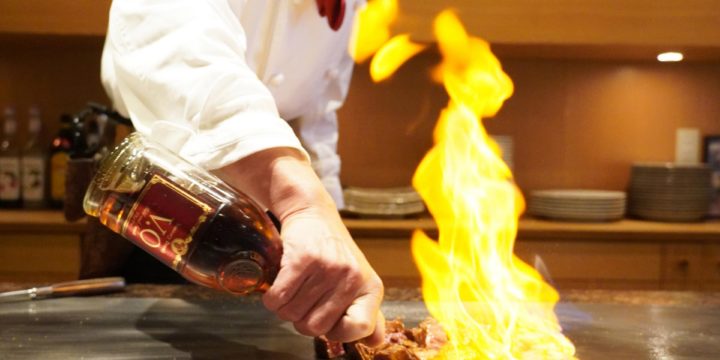
Is it Possible to Hire Michelin Chefs in Japan?
